What Mentoring Makes Possible
In July 2026, we marked the end of our 16th Mentoring Programme - with a wonderful Celebration Event on a hot summer’s night! In this blog, our Mentoring Programme Manager Shunn shares her reflections on what makes mentoring possible, from her work supporting this cohort of mentors and mentees.
The sixteenth cohort. Another four months of conversations, shared goals, quiet encouragement, laughter over tea, moments of uncertainty, and celebrations that often began with something as simple as someone saying, "I think I can do this now."
““Every time a programme comes to a close, I find myself sitting with the same question: what actually happens during mentoring?””
On paper, the answer seems straightforward. Women are matched with mentors. They meet regularly, work towards goals, expand professional networks, prepare for interviews, build confidence, and take a step closer to their professional/personal goals. But that has never felt like the whole story.
Every mentoring programme reminds me that transformation rarely arrives in dramatic moments. More often, it happens in the space between two people who decide to show up for each other consistently. A mentor asking a series of thoughtful questions. A mentee daring to send an application they almost didn't submit. A message after an interview. A coffee that turns into a conversation about belonging, identity, and hope.
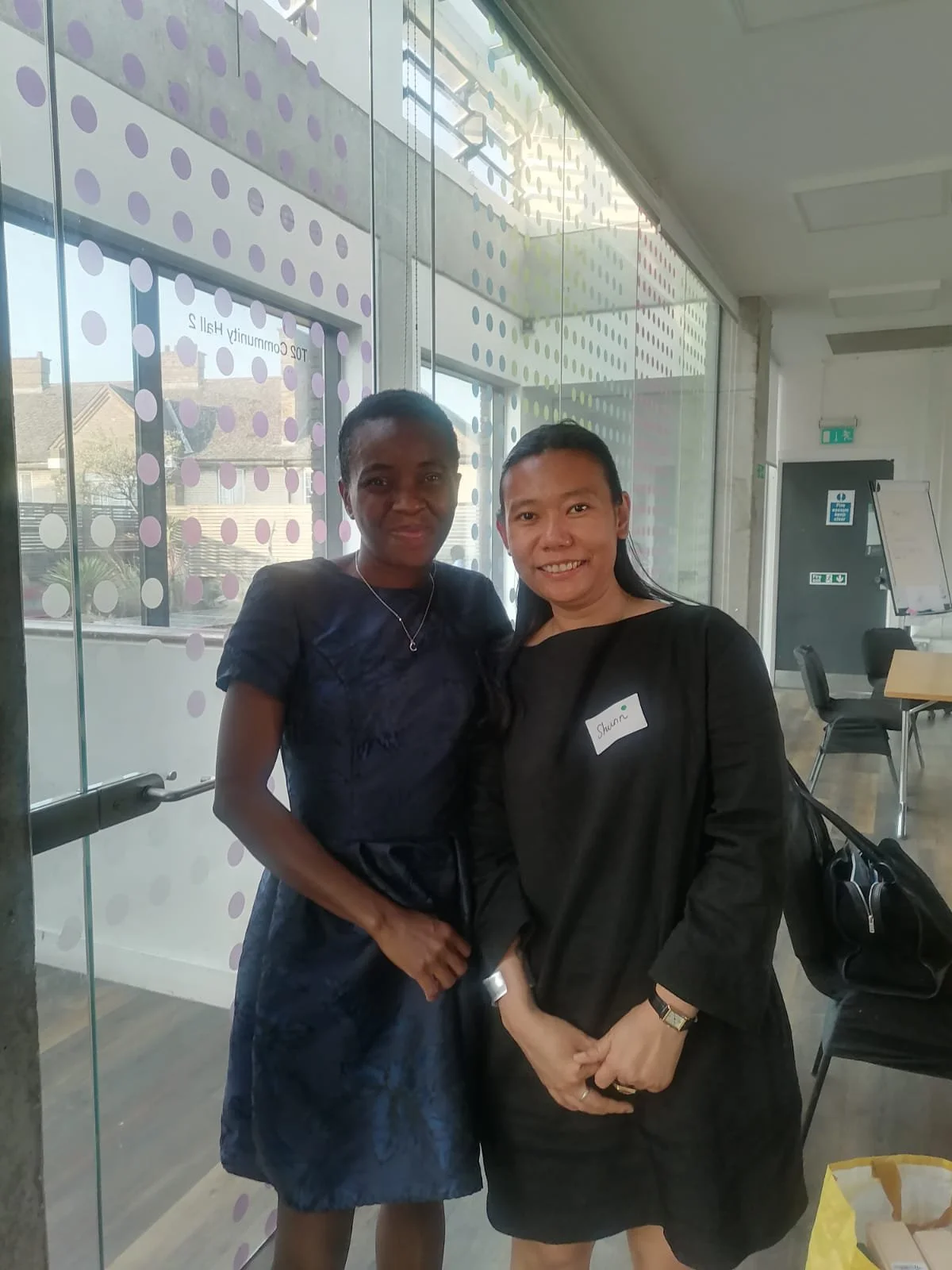
Mentoring Programme Manager Shunn, together with mentee Chinwe at the Programme’s Celebration Event in July 2026.
Some of the most meaningful moments are impossible to capture in feedback forms or end-of-programme impact. They happen quietly. In the pauses between conversations. In the moment someone realises they have more to offer than they had believed. In the trust that slowly grows between two people who, only a few months ago, were complete strangers. Or sometimes, they come back as insights to people months or a few years later.
As programme managers, we move alongside these journeys. We try to support the pairs in the best way we can, but also give space for the pairs to figure out their own best ways of working together. We witness the nervousness before the first meeting, the excitement after an interview, the difficult conversations when confidence falters, and the joy of seeing women recognise strengths that have always been there.
I often think about how much of the programme is built through relationships in addition to actioning goals throughout the journey.
Mentoring asks us to slow down. To listen. To be curious about someone else's story without trying to fix it. To share something of ourselves with another person, even if that is a bit of our story or the full focus of our attention. In a world that often measures success through outcomes and productivity, there is something quietly radical about making time for conversation.
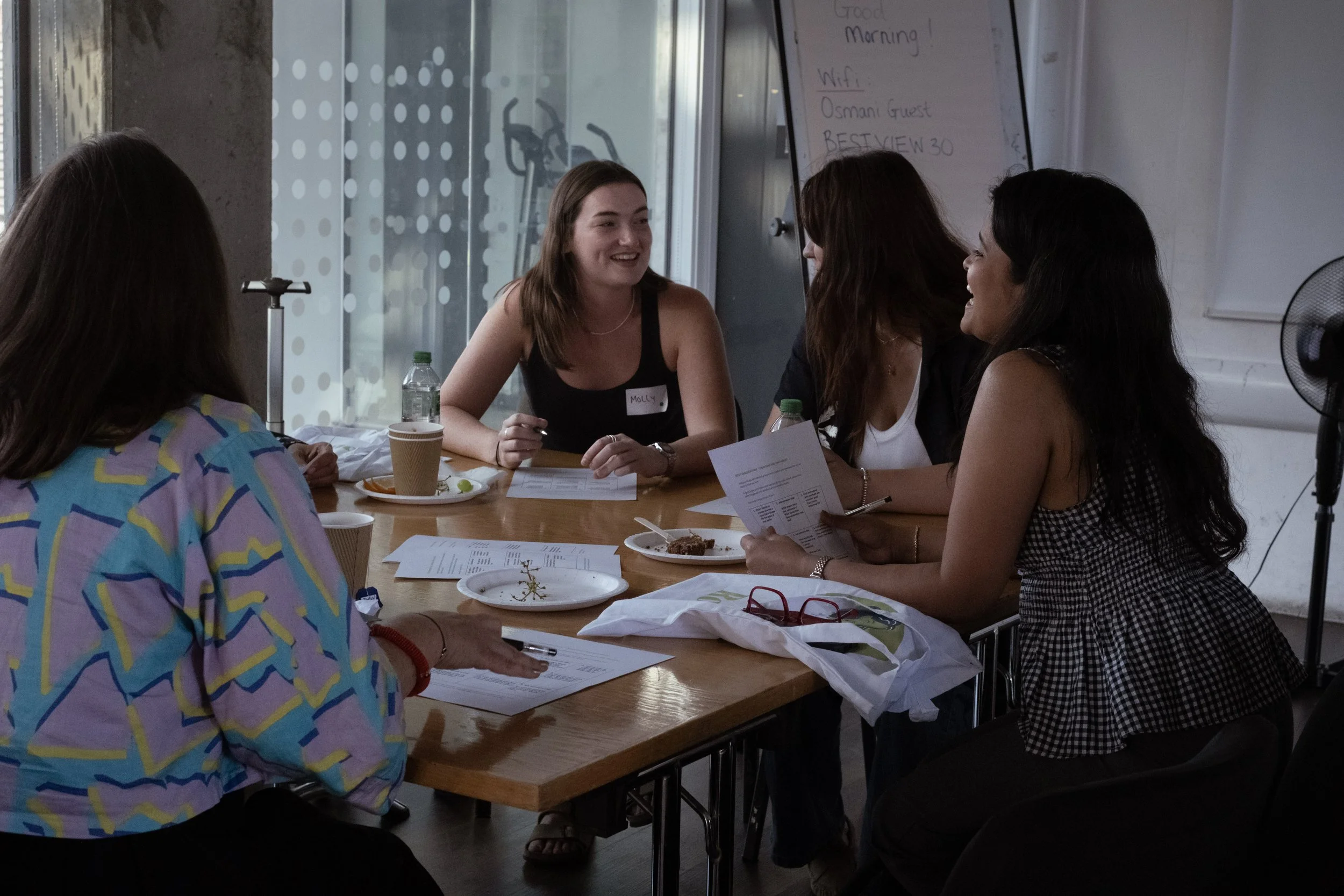
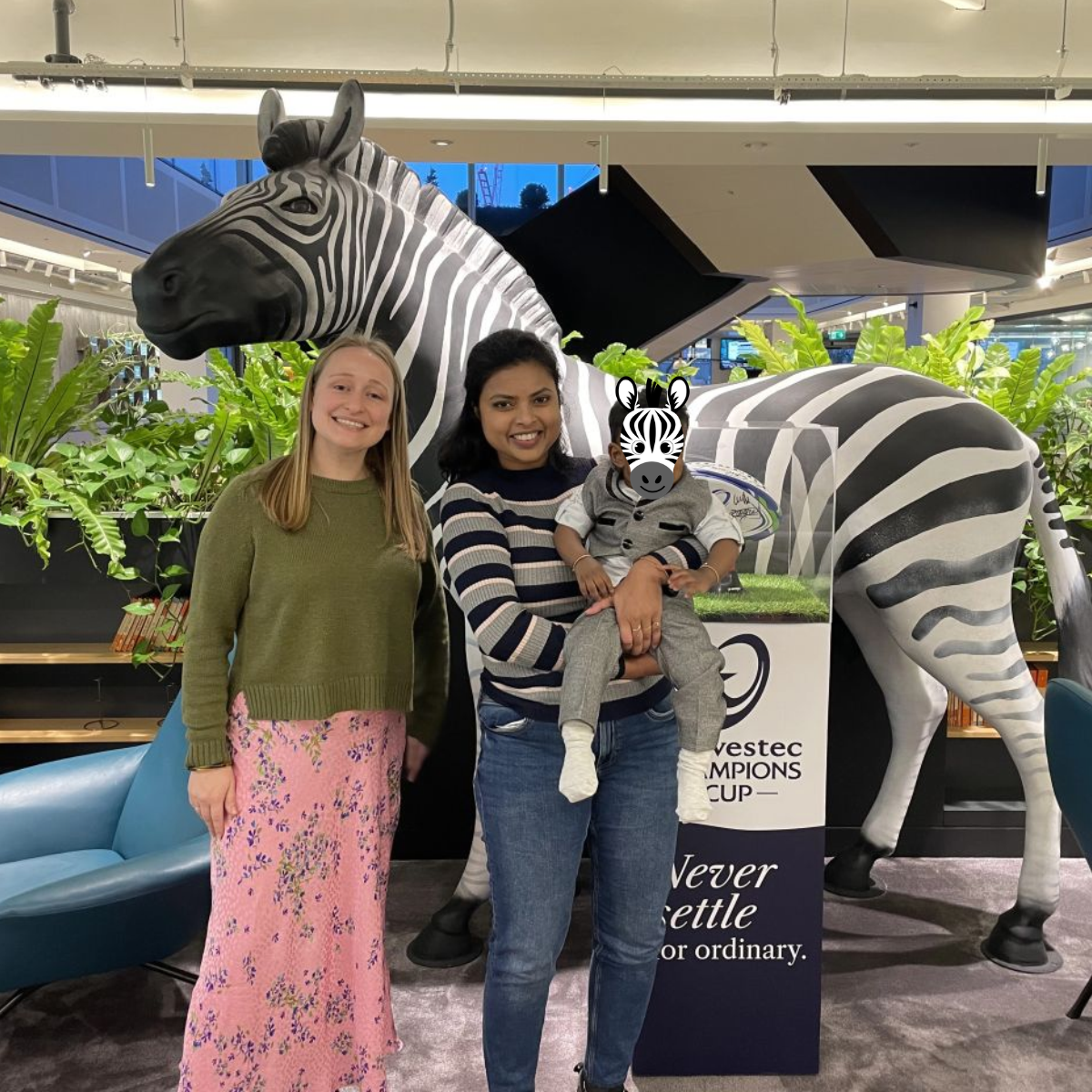
Photo above: Mentor Molly seen together with her mentee Abikela at the Celebration Event.
Perhaps that is what I continue to learn from this work. The women who join the programme arrive with extraordinary knowledge, shaped by lives lived across different countries, languages, professions and experiences of displacement. The mentoring relationship is not about filling gaps. It is about creating space for that knowledge to be recognised, shared and connected with new opportunities.
I am always reminded that learning moves in both directions. Mentors leave with new perspectives. Mentees leave having discovered possibilities they had not imagined for themselves. Somewhere along the way, everyone becomes part of a larger community.
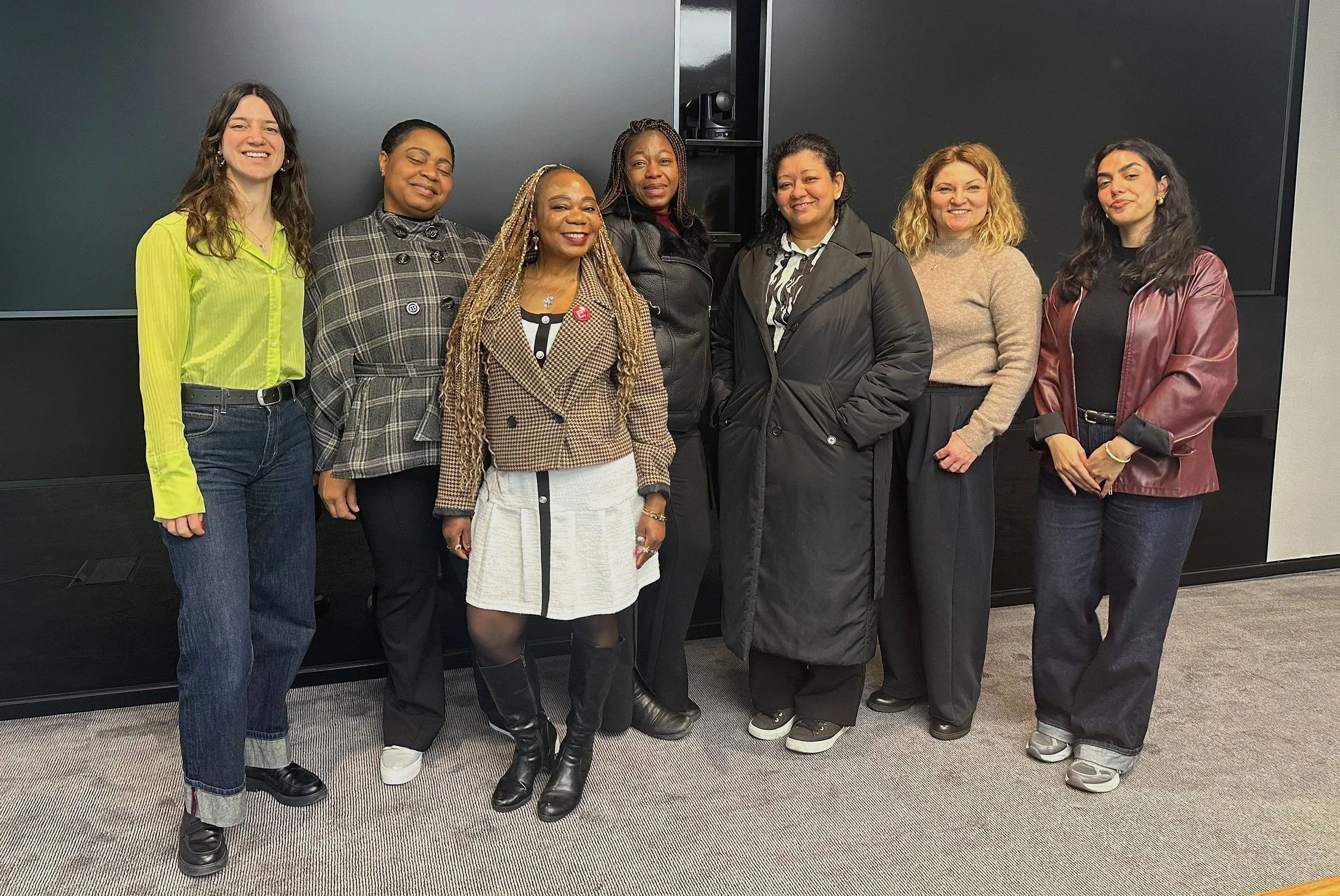
This cohort's celebration felt less like an ending and more like a continuation. Looking around the room at the Celebration Event, I could see conversations between mentees and mentors exchanging stories, friendships forming across generations and professions. It reminded me that the programme extends far beyond four months. It becomes a growing network of women who continue to support one another long after the formal mentoring relationship has ended.
Working in the refugee sector means we are constantly reminded of the systems that create barriers. Yet every mentoring programme reminds me of something equally important: the systems we can build together instead.
Systems rooted in welcome rather than exclusion.
In care rather than urgency.
In relationships rather than transactions.
As our sixteenth cohort comes to a close, I am left with such gratitude to everyone in the programme. Grateful to every woman who trusted the process. To every mentor who offered their time with openness and humility. And to the growing community that continues to remind me that meaningful change rarely happens through grand gestures.
More often, it begins with a conversation.
And then the willingness to keep showing up for one another.
And then the resilience we build for each other.
And then the cheerings we applaud for each other.
And then the changes we bring to each other.
And with every new thread, that tapestry becomes stronger, more vibrant, and more hopeful than before.
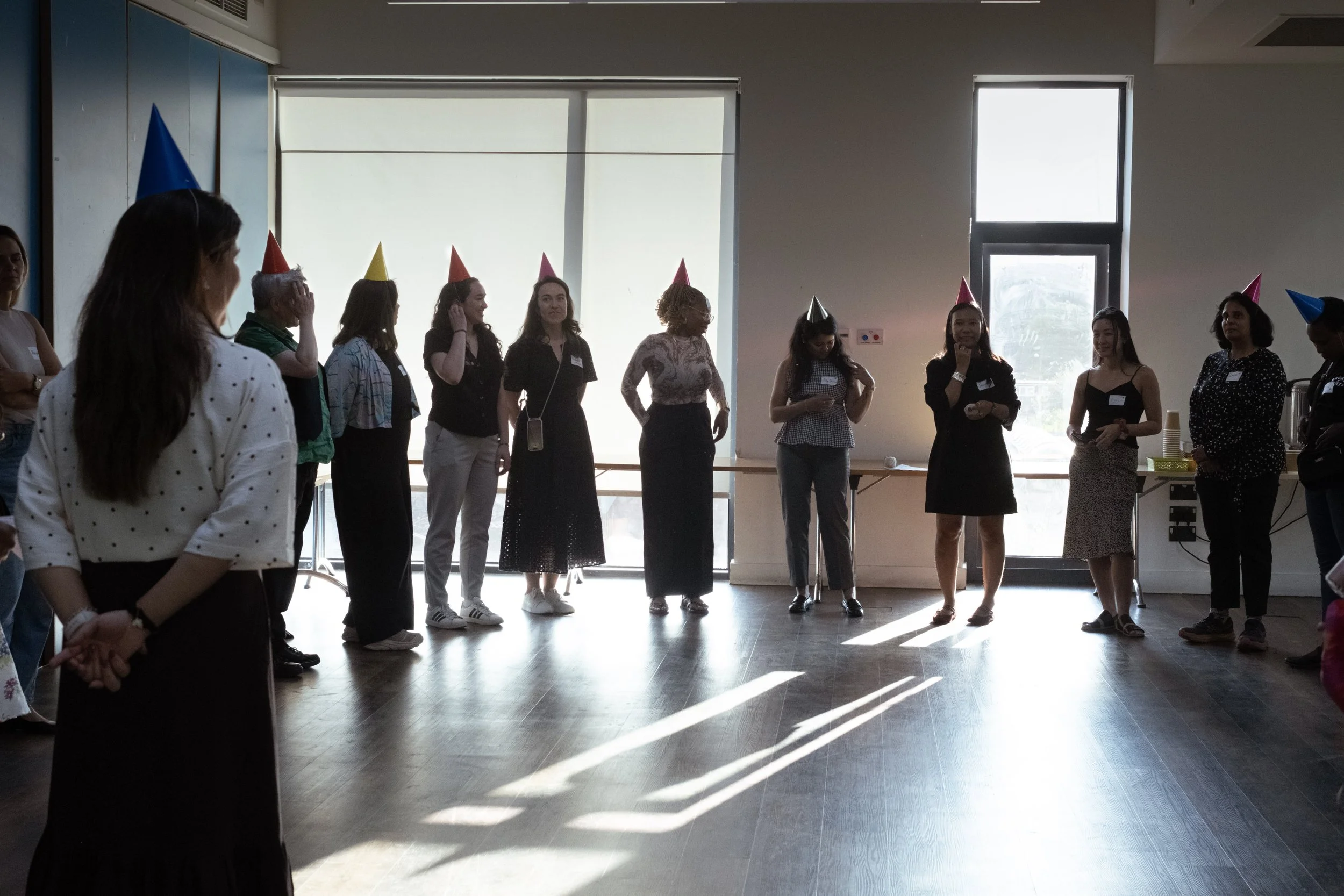
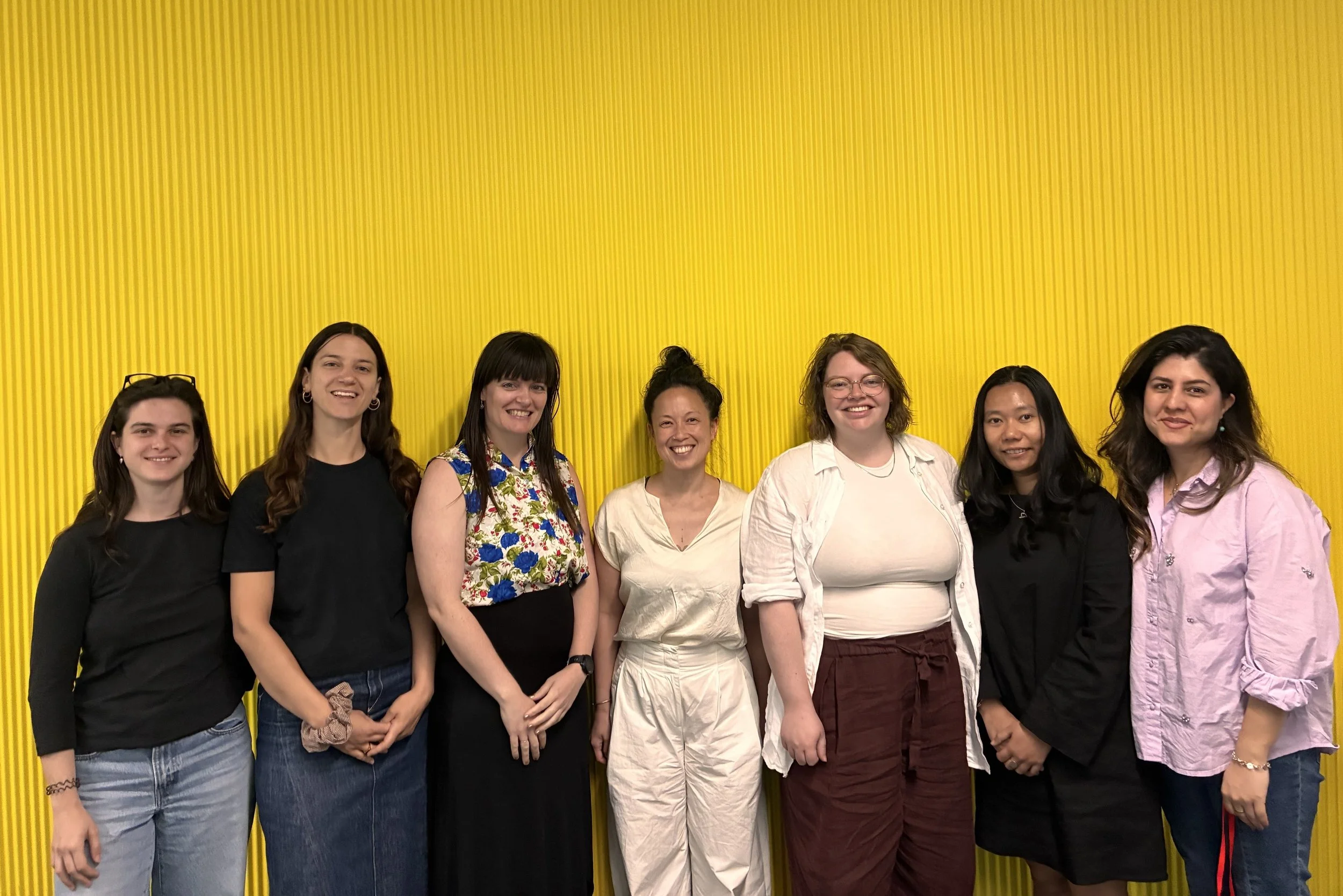
Photo: the web of connection-activity at the MP16 Celebration Event at the Osmani Centre on the 15th July 2026. Shunn can be spotted fourth person from the right, in a black dress and with pink party hat.
Join our Routes Mentoring Programme and gain access to our bespoke Inclusive Leadership Training, while supporting a woman from an asylum-seeking or refugee background to help in achieving her goals in education, employment or confidence building. Applications for the autumn 2026 Mentoring Programme close soon.
We have a limited number of bursary places available for mentors, so if you're interested to join our training and mentoring, we'd love to hear from you as soon as possible. Get in touch with us: Shunn at (shunn@routescollective.com).