
Routes blog
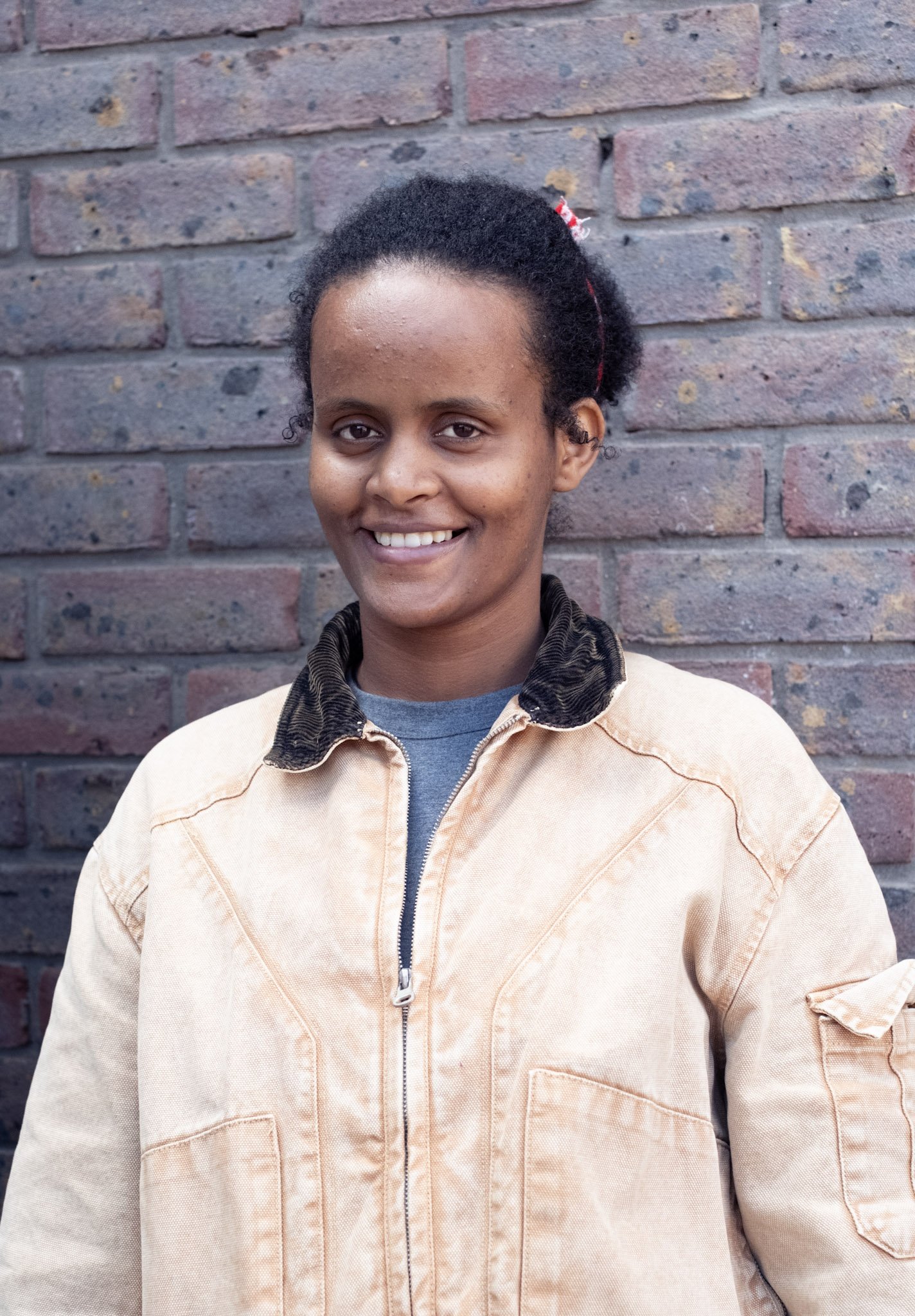
Bridging International Experience: Mahlet’s Shadowing with APM
Routes has been organising work experience placements - this is an insight into Mahlet’s experience with an interior design project management company!
Routes community member Mahlet completed a multi-week shadowing placement this summer with Absolute Project Management (APM). Find out more about her experience directly from her!
This summer, Routes set up short-term placements with local companies and organisations to offer hands-on work experience for women in our community. We had two main goals: to give community members practical insights for their career search in the UK, and to help overcome some of the systemic barriers refugee women face when accessing meaningful employment in London.
We were proud to partner on this initiative with Absolute Project Management (APM), an interior design and project management firm whose Chair is Routes Alumni Mentor, Cat Hoad. APM works with individuals and organisations across London to manage the design, logistics, and staging of renovation projects.
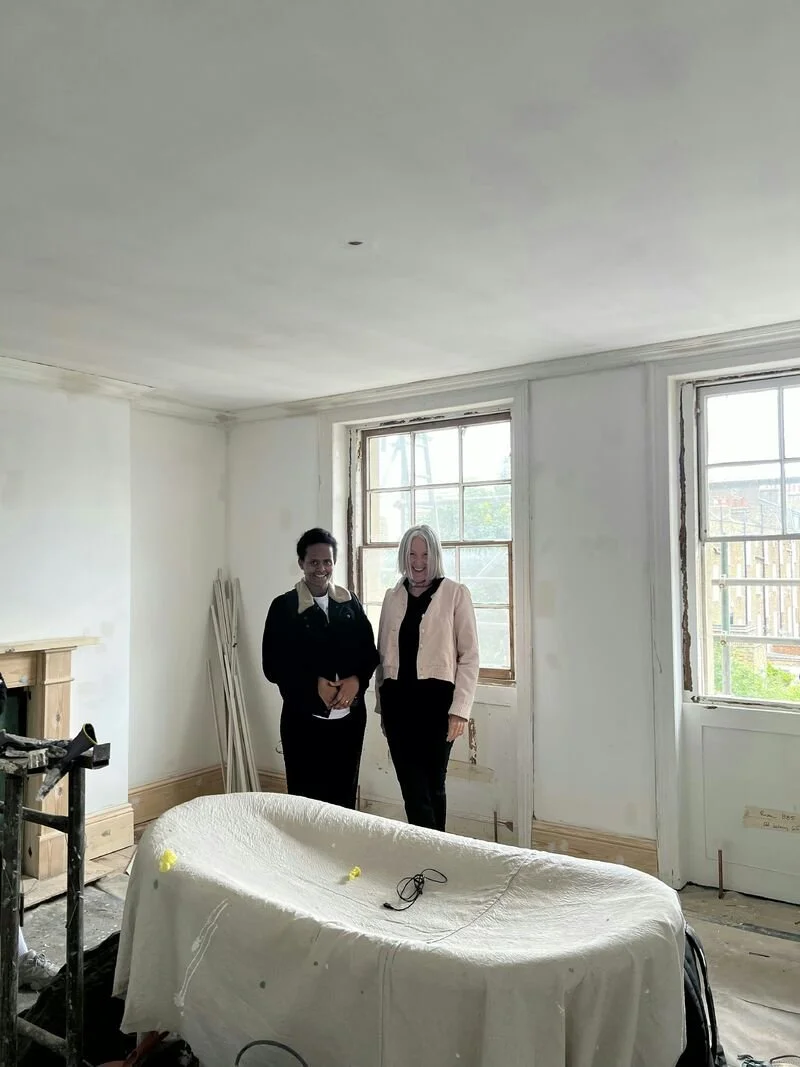
APM offered a multi-week shadowing placement for a member of our community to learn the ins and outs of managing day-to-day projects in a small London team. In return, APM gained fresh perspectives and insights from hosting a professional with a refugee background, showing firsthand how diversity enriches the design sector.
For the placement, APM welcomed Routes Alumni, Mahlet. Having joined Routes as a mentee back in 2023, Mahlet has been an active member of our employment support project. During her time with APM, she jumped straight into on-site meetings with clients, analysed plans to curate sample libraries, and put together a full paint schedule.
(Image on left) Mahlet and Cat together on-site at a renovation project.
“Mentorship is deeply important to us at Absolute Project Management, and supporting talented women like Mahi is an honour. We can’t wait to watch her career flourish! 💛 ”
To ensure the placement was a success for everyone involved, Routes provided wraparound support throughout the process. Our team worked alongside Mahlet and APM to prepare for the placement, providing travel support, setting learning goals, and conducting check-ins to make sure Mahlet felt supported at each step.
Read on to hear directly from Mahlet about her background, key takeaways, and next steps!
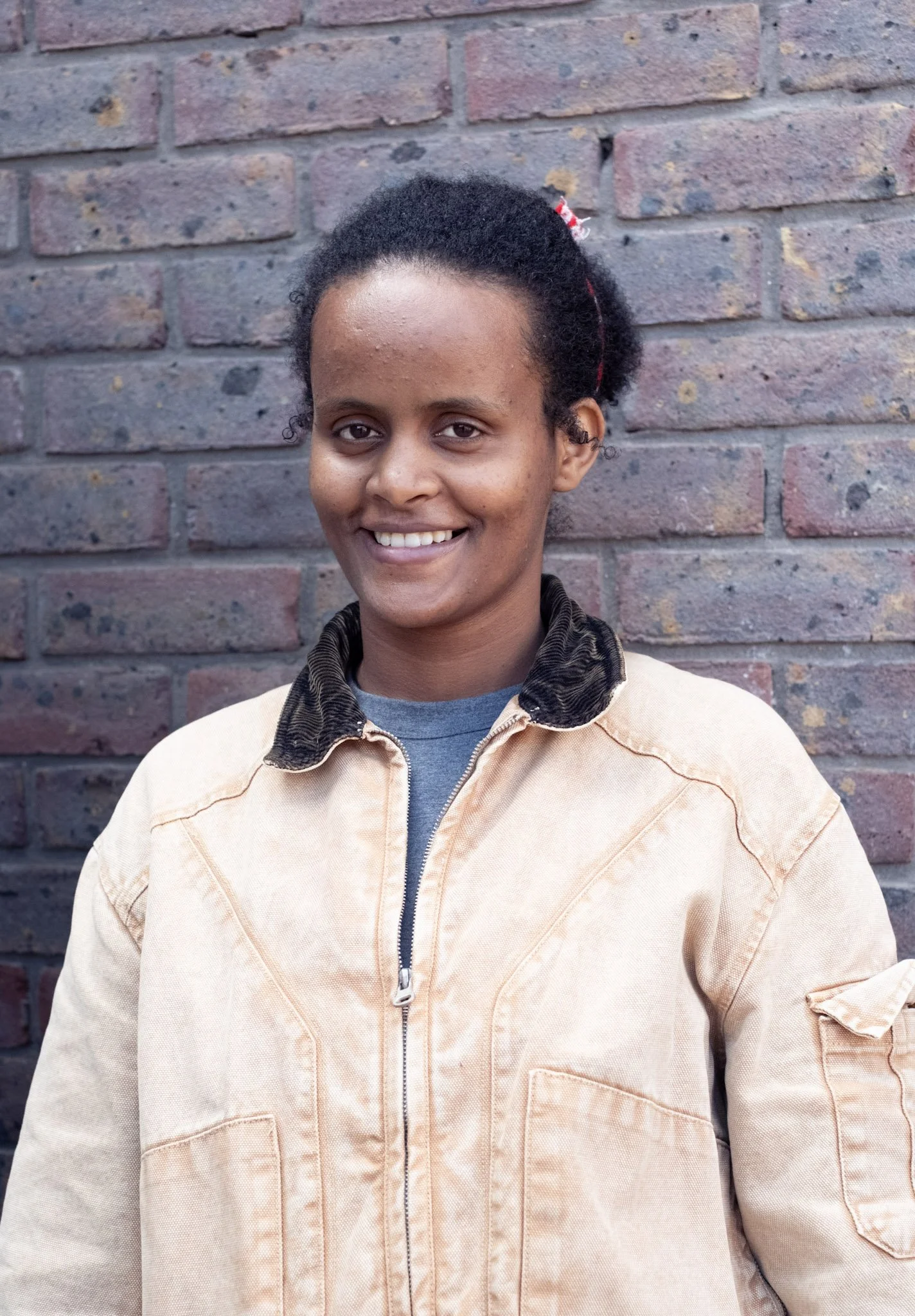
“The experience showed me that securing a role in the UK takes dedicated research and continuous learning, but it completely reinforced my passion for this sector.”
Please introduce yourself and your professional background!
I am a trained architect with professional experience from my home country, now transitioning into the UK design and management sector. I recently completed a work shadowing placement at Absolute Project Management (APM) to gain hands-on insights into UK interior design and project management office operations.
What was your motivation for doing this work shadowing?
Having practiced architecture abroad, I wanted to see how the industry operates in the UK firsthand. My goal was to understand local workflows, site management, and industry standards to bridge the gap between my international background and the UK market.
What were the main things you learnt?
I got to dive straight into a bit of everything across four main areas. I spent time learning about UK Building Regulations, statutory compliance, and safety standards to see how approval processes work in practice. Working on heritage renovations gave me a real appreciation for the planning constraints and sensitivities involved in historic UK properties. I also got to see how local teams handle interior planning, from layout design to drawing packages and material specifications. Plus, observing site communication up close showed me just how crucial clear coordination is between project managers, clients, contractors, and site teams.
How has this affected your career goals, and what are your next steps in your career journey in the UK?
The experience showed me that securing a role in the UK takes dedicated research and continuous learning, but it completely reinforced my passion for this sector. Moving forward, I’m focusing on deepening my knowledge of UK planning regulations and software, while tailoring my portfolio to highlight my interior renovation and project management skills. I’m also looking forward to networking with design and construction professionals across the UK as I apply for full-time roles.
If you could give advice to someone on how to make the most out of work shadowing, what would you say?
Work shadowing is such a valuable gateway into the UK work environment. My biggest advice is to be proactive from day one - ask co-workers about their daily workflows and how they approach decision-making. Make sure you get out on-site visits so you can see how design plans translate into practical construction. Pay close attention to how professionals interact with suppliers, contractors, and clients, because those relationships are key. And finally, stay connected with the team after your placement ends to keep building your professional network in the UK.
Why do initiatives like this matter?
Placements like these are more than short-term work experiences; they are vital stepping stones towards a more equitable job market. As highlighted in our Research Report on Systemic Barriers to Employment, refugee women face significant systemic hurdles when trying to re-enter their professions in the UK, from unrecognised international qualifications and lack of local references to limited professional networks.
Supported work shadowing initiatives dismantle these barriers by offering practical, UK-based exposure and building genuine confidence. Crucially, these programmes deliver mutual benefits: host organisations gain fresh insights and enrich their workplace culture, community members rebuild their professional pathways, and the wider UK labour market gains access to a wealth of untapped, highly skilled talent.
An update, and thank you, from Routes
An update about our #RaiseForRoutes survival fundraiser that was launched earlier this year. Thanks to everyone’s support, Routes’ work is continuing!
Thanks to your support, Routes has a future!
Earlier this year we reached out for help because, like so many organisations in our sector, Routes’ future was at risk. Thanks to the support you showed us, we’re thrilled to say that Routes is staying open: our flagship mentoring programme will continue, and the women in our alumni community will keep learning, connecting and growing together.
To everyone who made a donation, whether it was £5 or £500, a one-off gift or a monthly commitment, thank you. To the partners who stepped up their support this year, and to the organisations who generously shared their resources and expertise, thank you. To friends of Routes who fundraised on our behalf, and everyone who shared the campaign, sent it to a friend, posted it on their social media, thank you.
Alongside the good news, we also want to be honest about what this year has cost. Securing Routes' future has meant making decisions we wished we didn't have to make. We’ve had to say goodbye to team members who gave so much to the organisation and to our community, and will be pausing our Routes to Employment programme that has made a real difference to the women it reached. These were not easy decisions, and we do not take lightly the impact they have had on the people involved. We are grateful to everyone who has been part of Routes' journey, including those whose chapters with us have come to a close (for now).
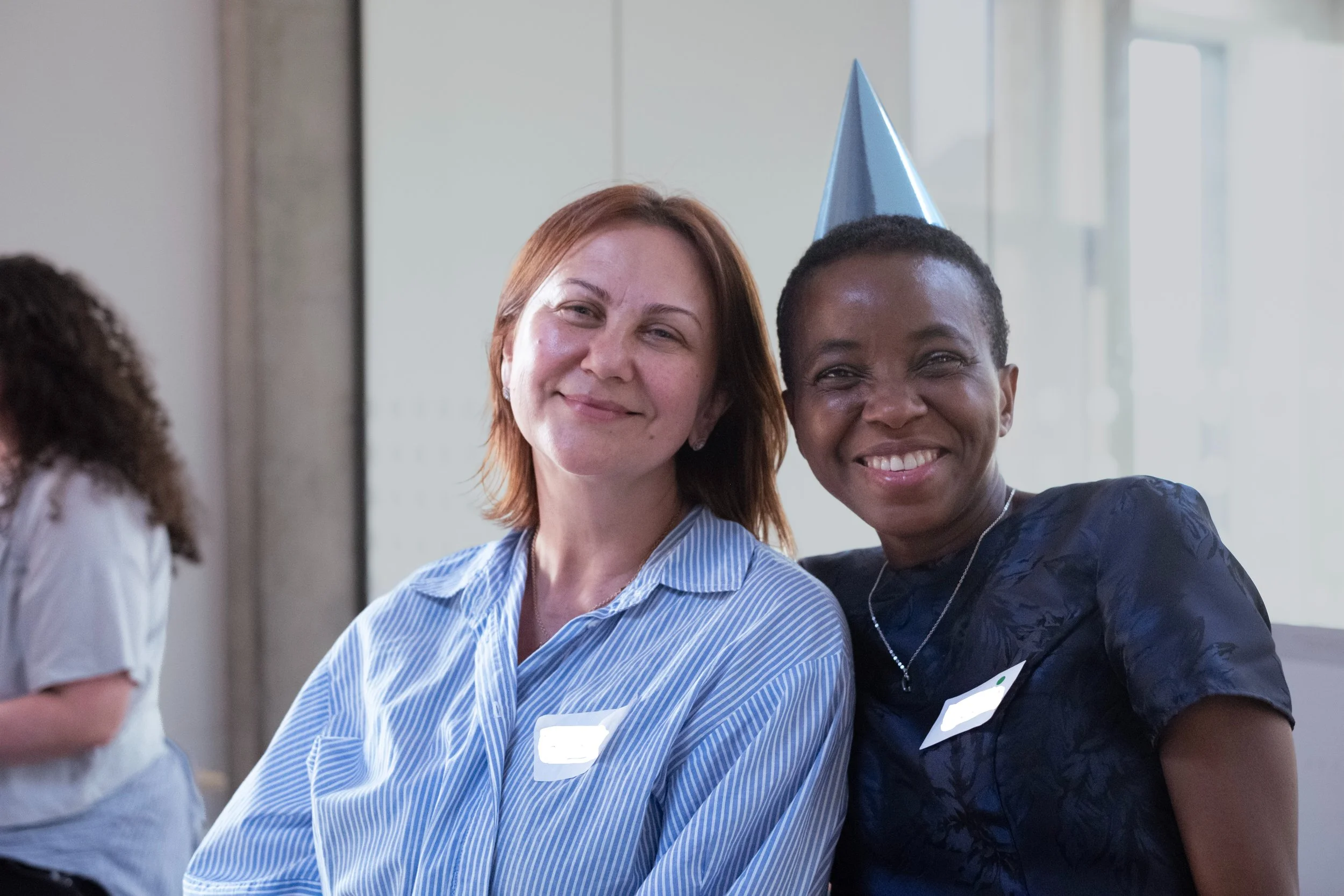
However, we know, more than ever, that our work is worth fighting for. We have a team that believes deeply in what we do, a community of over 300 women who are building futures they once couldn't imagine, a mentoring programme that we know changes lives, and a renewed commitment to building an organisation that is as sustainable as it is ambitious.
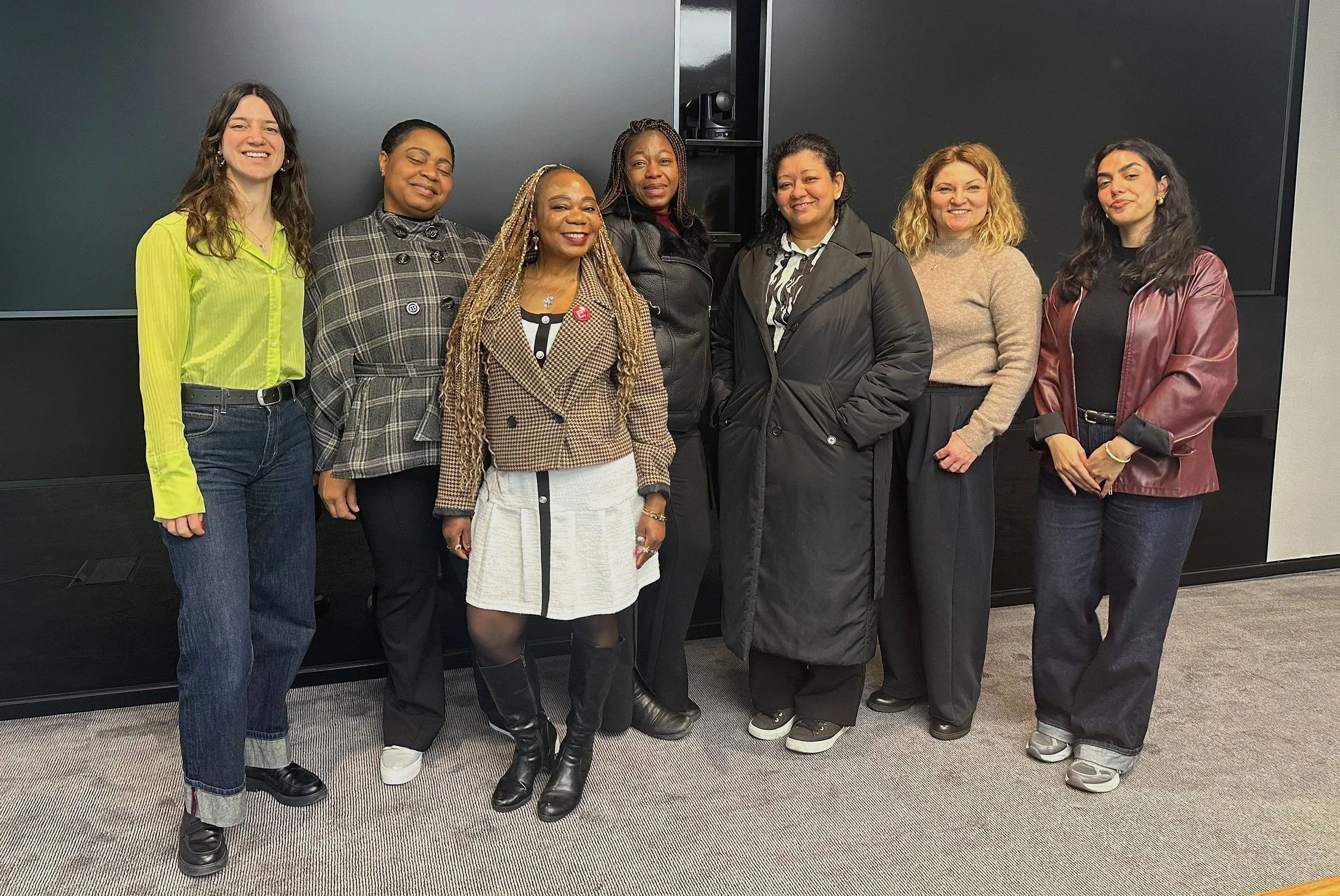
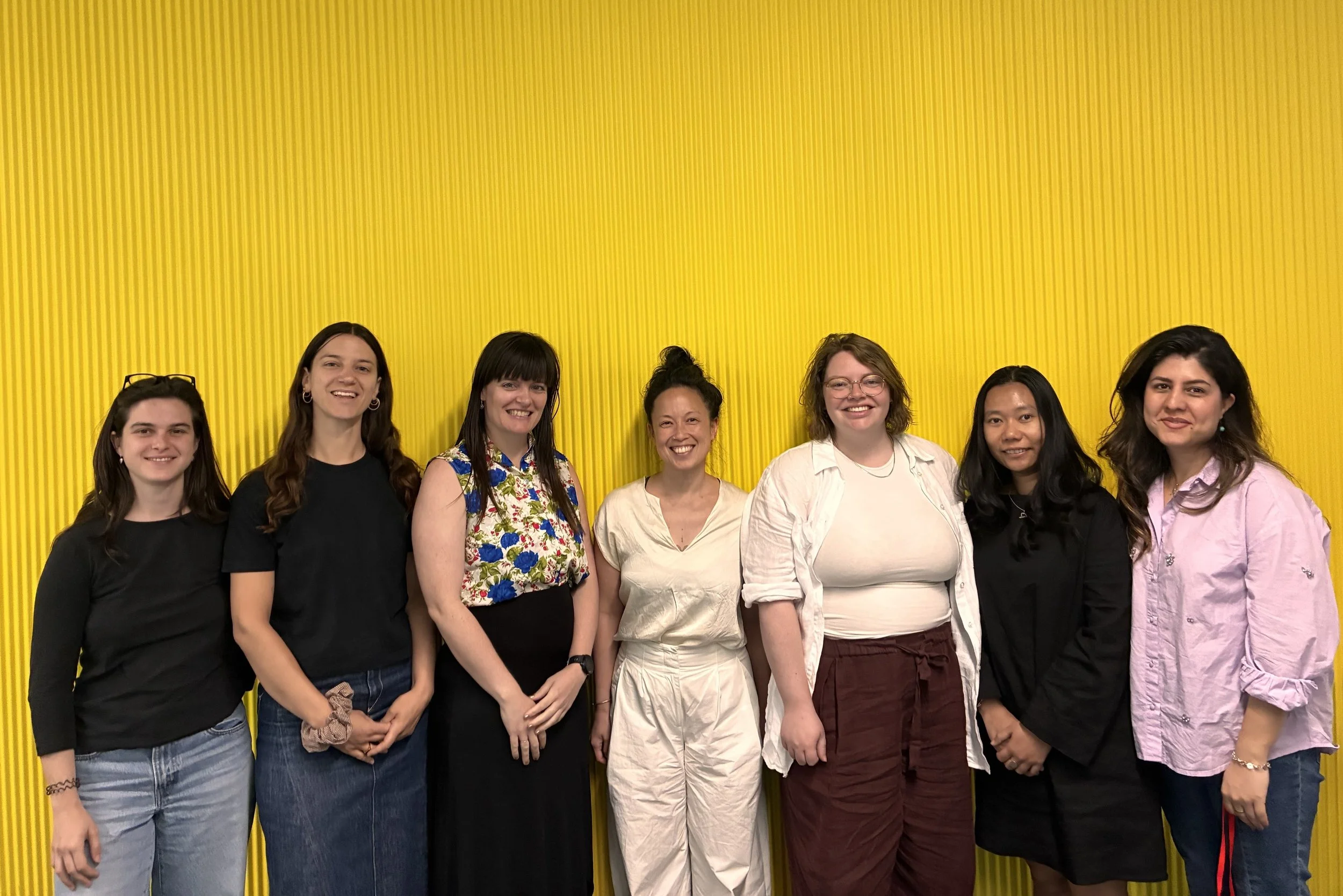
Pictured to the left: wonderful mentees from our 16th mentoring programme cohort.
What we have learnt
Inspired by IMIX’s generosity to sharing their learnings after going through their own funding challenges this year, we wanted to share what helped us:
Communicating openly and early. Telling our partners, supporters and team how precarious things were felt exposing, but we chose to do it while there was still something that could be done, rather than once it was too late. We didn't want to be left with any "what ifs", and the response showed us we were right to trust our community.
Guiding every decision by our organisational values. In a crisis, with resources stretched, prioritising our community’s interests and staying true to the kind of organisation that we are and want to continue being, made even the hardest decisions clearer.
Finding the balance between being responsible, responsive and ambitious. We adapted quickly to changing needs and circumstances, while ensuring care for our team, community and finances, and always keeping sight of the impact we want to make for our community and wider society. Consistently holding these three aims together remained a useful touchstone throughout this difficult period.
Boldly exploring new ways to increase our funding opportunities. Facing such a difficult funding landscape, we finally prioritised those creative fundraising ideas we'd wanted to try for a while: supporters took on sponsored events and runs and held bake sales and raffles for Routes, and we hosted our own fundraising events. There is so much goodwill in our community, and it really paid off finding different ways for people to get involved. Converting to a CIO is also a big part of this ongoing commitment to diversify our income further.
Keep asking how people are experiencing uncertainty and change. On top of regular team check-ins, we held additional meetings to speak openly with the team about the challenges we faced, our plans to navigate them, and how it was affecting them. Regular communication helped us develop a shared language for talking about uncertainty, and it shaped our thinking as things progressed. How change lands can shift from one week to the next, so we’ve learnt to keep asking rather than assume.
Leading together is more sustainable. Going through this as co-CEOs made the pressure and worry far more manageable than it would have been for one person alone. Working very closely with our board during this challenging period was equally a huge support, and input from our Lived Experience Leadership Group and team was essential to stronger decision-making.
This doesn’t mean the road ahead is going to be easy - fundraising for a small organisation requires constant work. But because of the support you’ve shown us this year, we’re still here to continue putting in the effort.
Join our community!
If you'd like to be part of what comes next for Routes, there are lots of ways to support our work:

an introduction to anyone who might be interested in our work;
join our mentoring programme;
stay up-to-date with our work via our monthly newsletter.
Every bit of it is appreciated, and it makes a huge difference to the women we work with.
With love and gratitude,
Leyla and Yeri
Co-CEOs, Routes
Alumni reflections: ‘Routes became a way forward’
Alumni mentee Sarker reflects on her time on the Routes Mentoring Programme and the lessons she takes forwards, as she continues to work on her goals.
This October 2026, we are launching our 17th Mentoring Programme! For the occasion, we’ve asked an expert to reflect on what this Mentoring Programme means - one of our alumni mentees. Below, please find the reflections of Sarker, who first joined Routes on our 11th cohort. How does she look back on her mentoring journey now? Read on to find Sarker’s top tips for new mentees and the road ahead, for after the Mentoring Programme comes to an end.
My time on the Routes Mentoring Programme
‘‘I joined the Routes Mentoring Programme at a time when I was starting a completely new chapter of my life. I was pregnant and preparing to become a single mother, while also dealing with the loss of my mum and feeling that I had been left behind by many of the people I once thought would be there for me. It was one of the loneliest and most uncertain periods of my life. But even then, I did not want to give up on the professional future I had worked towards.
My background is in finance and banking, and I wanted to find my direction again, rebuild my confidence and understand how I could continue towards my professional goals. Routes became part of that journey. I had a young child at the time. Sometimes I attended with my baby in my arms.
One of the memories that have stayed with me most is visiting my mentor Sophie at her workplace at Investec, with my child in my arms. Standing in that professional environment made me feel that I still belonged there. I realised that becoming a mother and going through such a difficult period did not mean that my professional ambitions had to end.
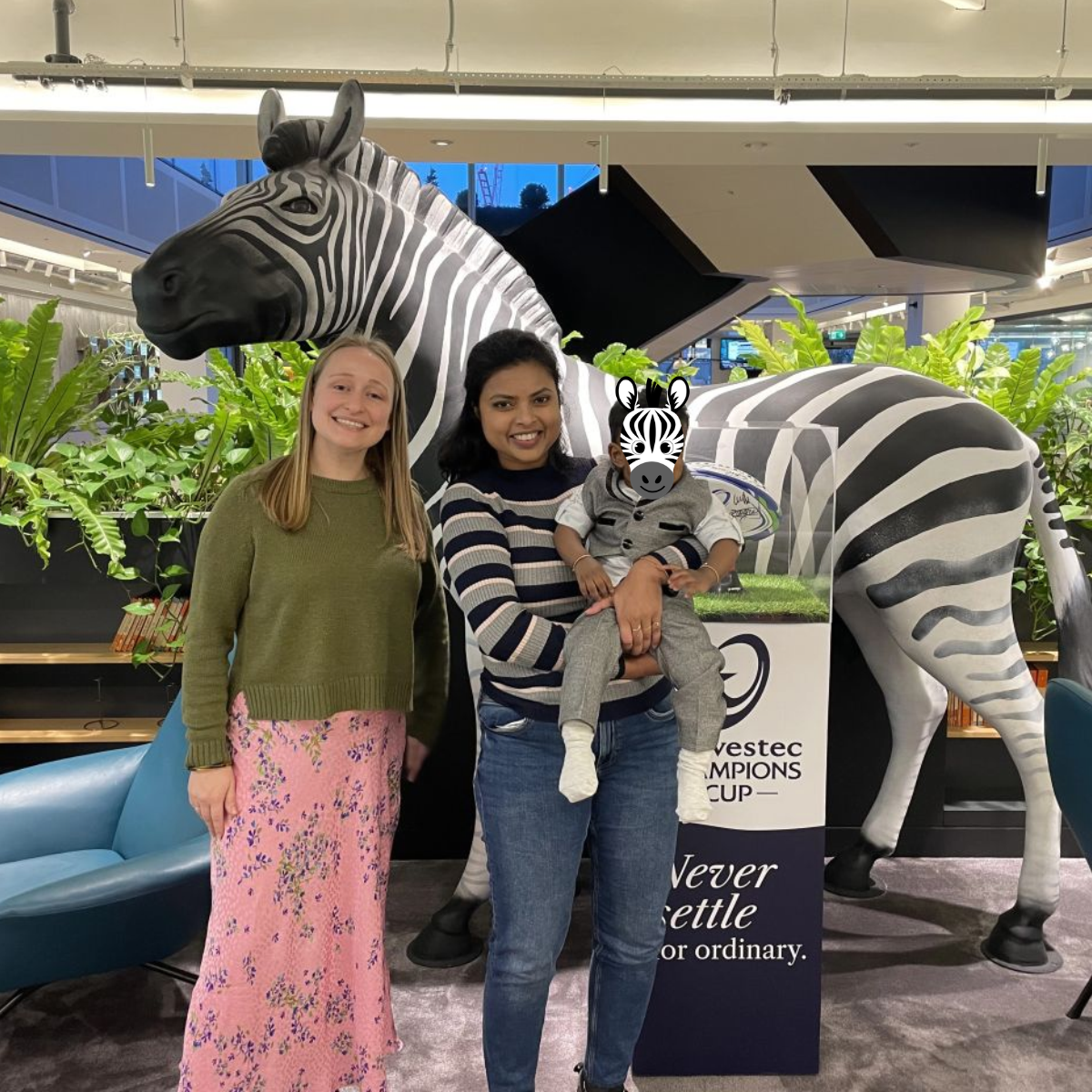
Image: mentor Sophie and mentee Sarker (with baby in arms) during their time on the Routes Mentoring Programme.
What surprised me most about Routes was that it became much more than professional advice. Emily listened to me, encouraged me and helped me see possibilities when I was struggling to see them myself. When I needed help with practical things, such as my UK ENIC process (support available from Routes, to apply for ENIC - a way of getting foreign qualifications verified and recognised for UK education and labour market, ed.) , I knew I could reach out.
Joining the Routes Alumni community
Even now, whenever I feel stuck, I can turn to Routes. Sometimes the support is direct, and sometimes it simply helps me see the next step more clearly. In a way, when I felt that I had lost my way, Routes became a way forward for me.
The biggest lesson I took from the programme is that there is no real end — there is always a new beginning. Life can change in ways we never expect, and sometimes we have to start again when we are already exhausted. But I have learned that we do not always need to know exactly where the road will take us. Sometimes we just need patience, support and the courage to take the next step.
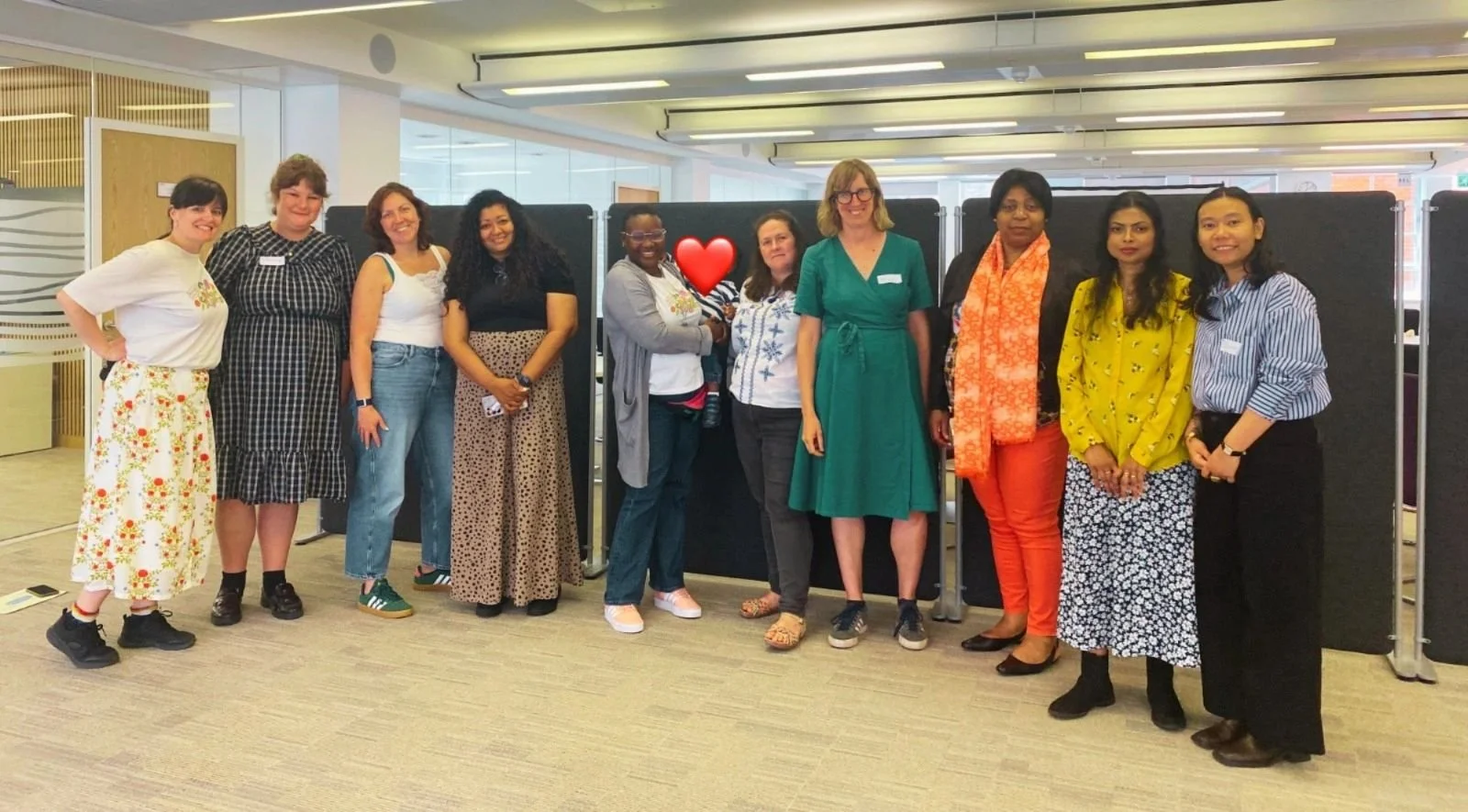
Joining the Routes Alumni community
Alumni mentee Sarker (second person on the right) with fellow Routes alumni mentors and mentees, during the Routes Refugee Week event in June 2026.
Today, I am continuing to build my professional life. I have achieved my Level 3 Community Interpreting qualification and currently work as a community interpreter. At the same time, I have continued working towards my longer-term goal of returning to the finance sector and furthering my education. I am very happy to have secured my place to start an MSc in September 2027, which is another important step towards the future I once wondered whether I could still achieve.
“If I could give one piece of advice to new mentees, it would be to be open with your mentor. Talk about your ambitions, but also talk about the things that are holding you back. You do not have to have everything figured out when you start. Sometimes, having someone believe in your potential can help you believe in it yourself.”
Continuing to work on my goals
Routes was a turning point for me. It taught me that starting again does not mean starting from nothing. You bring everything you have learned with you.
I am still walking my new path, and I know there will be challenges ahead. But now I have learned to be patient, keep moving and look for the next step rather than worrying about how far away the destination is.
I am very grateful that Routes became part of my journey — and part of my new beginning in a new country.
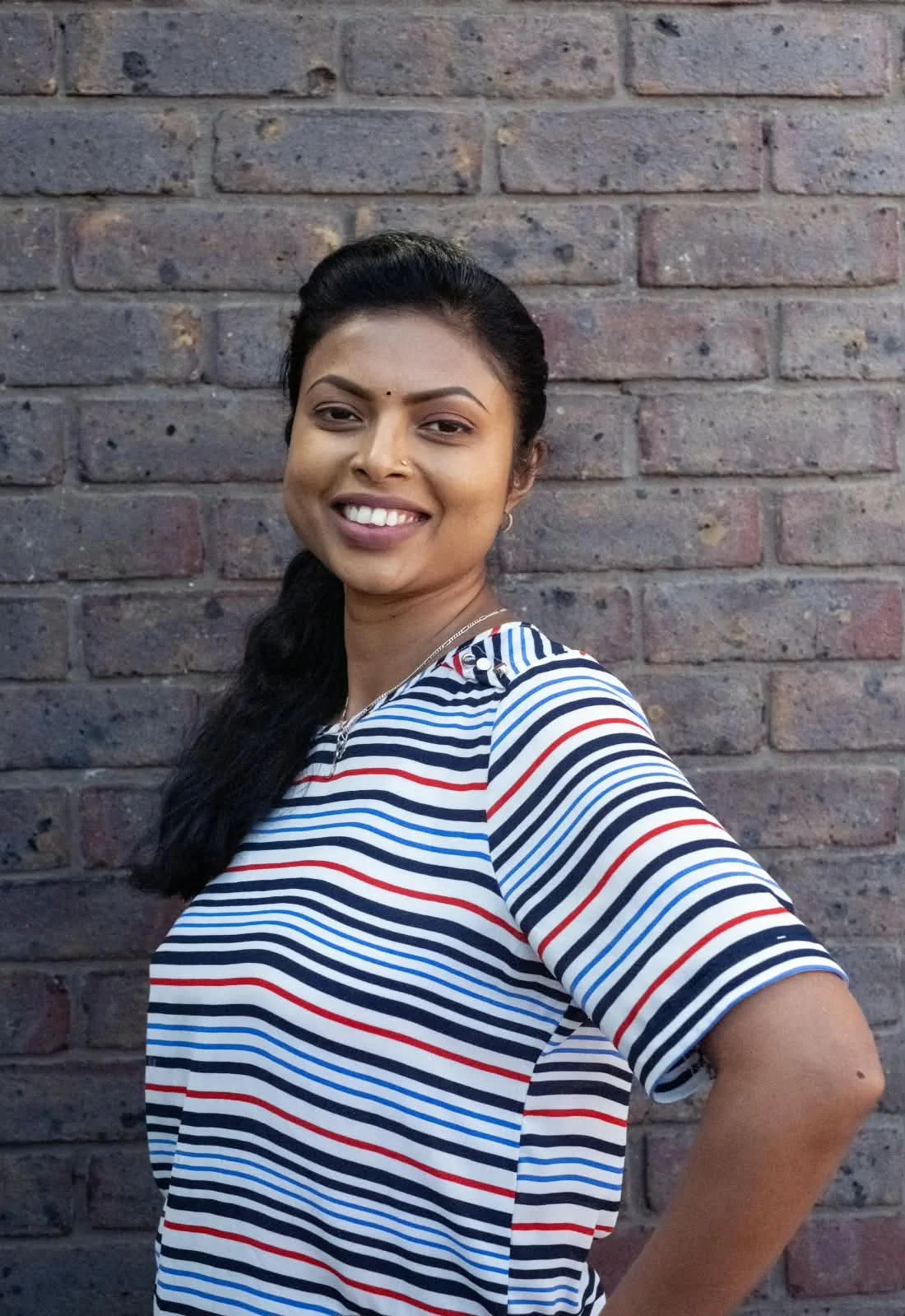
Alumni mentee Sarker in September 2026.
Headshot taken as part of Sarker’s participation in our ‘Routes to Employment’ course in September 2026.
Sarker continues to be an active member of the Routes alumni community, joining different events and courses whenever she can.
We’ve been so excited to see Sarker work on her goals, ever since the time she joined Routes in autumn 2023. We know people have big dreams and big goals - and it’s been brilliant to see Sarker continue to progress on hers!
Thanks so much for this lovely blog post - and a warm welcome to our newest cohort of mentors and mentees.
If you are interested in joining Routes for mentoring too, please keep an eye on this website! Recruitment for new mentors and mentees for our Spring 2027 Mentoring Programme will open soon.
Reflections on returning to co-leadership
Co-CEOs Leyla and Yeri reflect on the past year, and why co-leadership works for Routes
Co-CEOs Leyla and Yeri reflect on the past year, having returned to a co-leadership model within Routes. Co-leadership is becoming increasingly common in the charity sector, which we love to see, but there are still some people who see it as a luxury. This blog shares why it works for us, why we think it’s more of a fundamental than a nice-to-have, and why we’re committed to it as a model going forwards.
It comes as no surprise that this past year at Routes has, once again, been jam-packed, full of several big milestones as well as hundreds of small, thoughtful acts that nurture our ever-growing community. Despite an intensifying political and social climate towards refugees and asylum seekers, including a rising tide of hostile immigration policy and anit-immigration protests, and shrinking funding and resources for refugee-specific causes, our programmes have continued supporting refugee and asylum-seeking women to achieve, or get closer to, their education and employment goals.
As we prepare our 2025/26 impact report, it's easy enough to show the numbers; how many women we've worked with, how our programmes have expanded and evolved. What's much harder to capture in a report though, is everything that sits behind those numbers: the effort it takes, year after year, to stay responsive, responsible and ambitious in a climate like this.
So the honest answer to what actually got us through is: an inspiring and dedicated team, a supportive board, an insightful Lived Experience Leadership Group, the compassion of our volunteers, reciprocity with our partners and funders, and a deep commitment to the cause and community we support. And crucially, one very important decision about how we choose to lead: the return to a co-leadership model.
The case for co-leadership
Despite co-leadership growing in popularity, we know that some people have concerns about it; they say it leads to slower decision-making, the difficulty of splitting responsibilities cleanly, the risk of mixed signals to funders or staff. But our experience has taught us the opposite: co-leadership makes us more effective, resilient and sustainable.
We recently started recruiting for maternity cover for our co-CEO role, and this has led us to reflect on why we made the decision to return to it, and why we’re committed to continuing it despite the increasing challenges that are being faced by our sector.
Better decisions, made together.
No single person holds all the perspective, experience, or expertise a growing organisation needs. Having two CEOs means every major decision is pressure-tested by someone who sees it differently before it reaches the board or the team. What comes out the other side is sharper than either of us could have produced alone.
A model that mirrors our values.
We aim for reciprocity and collaboration to sit at the centre of everything we do, in how we work with the women we support, our Lived Experience Leadership Group, our partners, our volunteers. Co-leadership means our senior leadership actually practises what the rest of the organisation is built on, rather than being the one place where it stops.
Sustainable leadership, in an unsustainable sector.
Running a small, values-led charitable organisation in this political and financial climate is relentless. Co-leadership means neither of us is carrying that weight alone, which is crucial to avoiding burnout and keep going for the long run. It also means there's someone who understands the specific pressure of the role, who can share the load, catch what the other misses, and support each other’s wellbeing.
Increasing organisational stability and momentum
Co-leadership means we’re more able to weather uncertainty, and this year has definitely shown us that. Whether faced with periods of sickness or absence, a changing political landscape, funding and partnership losses, or opportunities for new and exciting projects, having two people at the helm keeps us stable and gives us a better foundation to move forwards from. We think of it like riding a bicycle instead of a unicycle!
Co-leadership is not a solution to everything, and a lot of it’s success depends on the relationship built between the two individuals themselves. It requires trust, honesty, vulnerability, and a willingness to do the ongoing work of maintaining a relationship under pressure. As we head into the next chapter - welcoming maternity cover into our leadership, navigating an increasingly difficult funding landscape, and continuing to show up for the women who deserve so much more than the world is currently offering them - we do so knowing that we are not doing it alone. In this respect, co-leadership is part of the reason we believe we can keep going.

Practices that support our work: marking the moments
In this final part of our summer mini-series, we talk about the importance of marking the moments. Read on for examples from across our programme delivery and team collaboration.
How do you keep going and keep momentum, when there are systemic barriers that make it difficult for people to reach their goals? During this summer Mini-Series, we reflect on a few top practices that support our work. In this final part of the series, we reflect on marking the moments.
Written by Routes’ Head of Programmes Wieke Vink, this blog shares examples of how we tune in and celebrate important occasions, big and small, from across our programme delivery and team collaboration!
It’s much more difficult to feel a sense of time, if you’ve been out of work or education for a longer period, or have only been doing so irregularly. For many women in the UK asylum system, we know this is a reality. As documented in our Routes to Employment Research, there are long waits for women in the UK asylum system - first to get the right to work, and then to be able to start a job. This leads to longer periods outside of professional environments, which can affect people’s self-esteem and makes it more difficult to prove suitability for roles as well.
Whilst we work hard on supporting people to access courses, employability support and work opportunities, we also try to support people’s sense of confidence and community through the ways we work. We do this, through making sure we integrate our values of ‘Joy, Welcome and Autonomy’ in the way we design and deliver our programmes.
There are many ways of infusing joy into our work - one of which is marking moments! This includes celebrations, but also noticing when people have a special occasion coming up, marking the start and end of programmes together and being mindful about our yearly rhythms. This excitement for communal experiences is not unique to us. Think of the crowds that came out across London for last month’s partial solar eclipse. At Routes, we pay extra attention to the passage of time, given the fact that some of the markers often more common to adult life - like national holidays or a work schedule that you can check in and out of - might not be present for everyone we work with.
“With our focus on being responsive and innovative, we often test new things as part of our delivery. That’s exciting, but also busy! It’s easy to get caught up in the pace of day-to-day work. There’s always more we could do, and the next thing we could try to organise. But in our team meetings, we also allocate time to reflect together when we’ve done something for the first time and make sure we give that a little bit of extra attention.”
A good example of this, in the words of the Routes to Employment Project Manager Jocelyn Maskrey: ‘This August, we trialled our first-ever Career Drop-In Day! More and more, we see our community members trying to find work that matches their skills, ambitions, and experiences, but struggling to know where to start or how to get there. We decided to offer 1:1 employment advisor sessions so community members could sit down and speak with someone about their CV, their career options, and the nuances of UK workplace culture.’
For the Career Drop In, Jocelyn was there to welcome participants and greet them, ahead of their sessions. ‘It was great to sit and chat with people about their goals and what they hope to achieve, and to offer a space where they could discuss them openly. As a Project Manager, it is exciting to try out new things like this, as we get to really understand what we can provide for the women in our community, and to practically support them with their employment goals.’
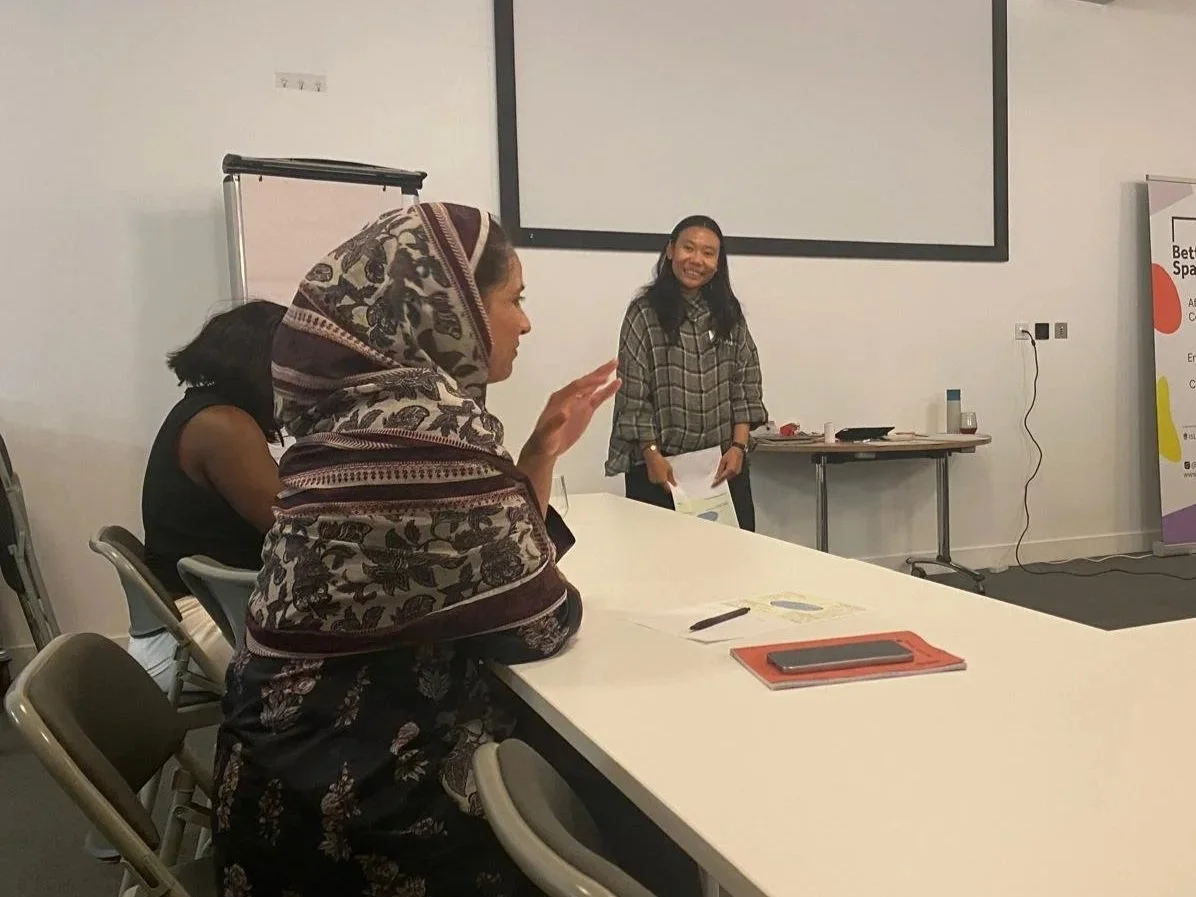
Marking the moments with community members
Routes team member Shunn hosting the Alumni Learning and Social, in August 2026. A chance for alumni members to come together, share their experiences and network.
This sense of conversation, communal organising and shared reflection is also present in other parts of our work, from an Alumni Learning and Social marking the first year of our programme to the Celebration Event we host after every Mentoring Programme to mark the participants’ transition into becoming a Routes alumni member.
Celebrations are usually one of the highlights of our Programmes! We also collect input from our participants, which are integrated into a Retrospective for the team, to learn from its delivery. This allows for further learning and reflection.
‘Practice what you preach’ is something you hear often, but that isn’t always easy in a working environment in which funding is scarce, community members have urgent needs to be met, and lots of organisations are short on resources.
Still, as a team too, we try to be mindful of how we model to ourselves the small ways in which we can mark moments! The Routes team shares birthday cakes on team members’ birthdays and we have optional monthly drinks. It’s these small moments that help us build the social fabric of our organisation.
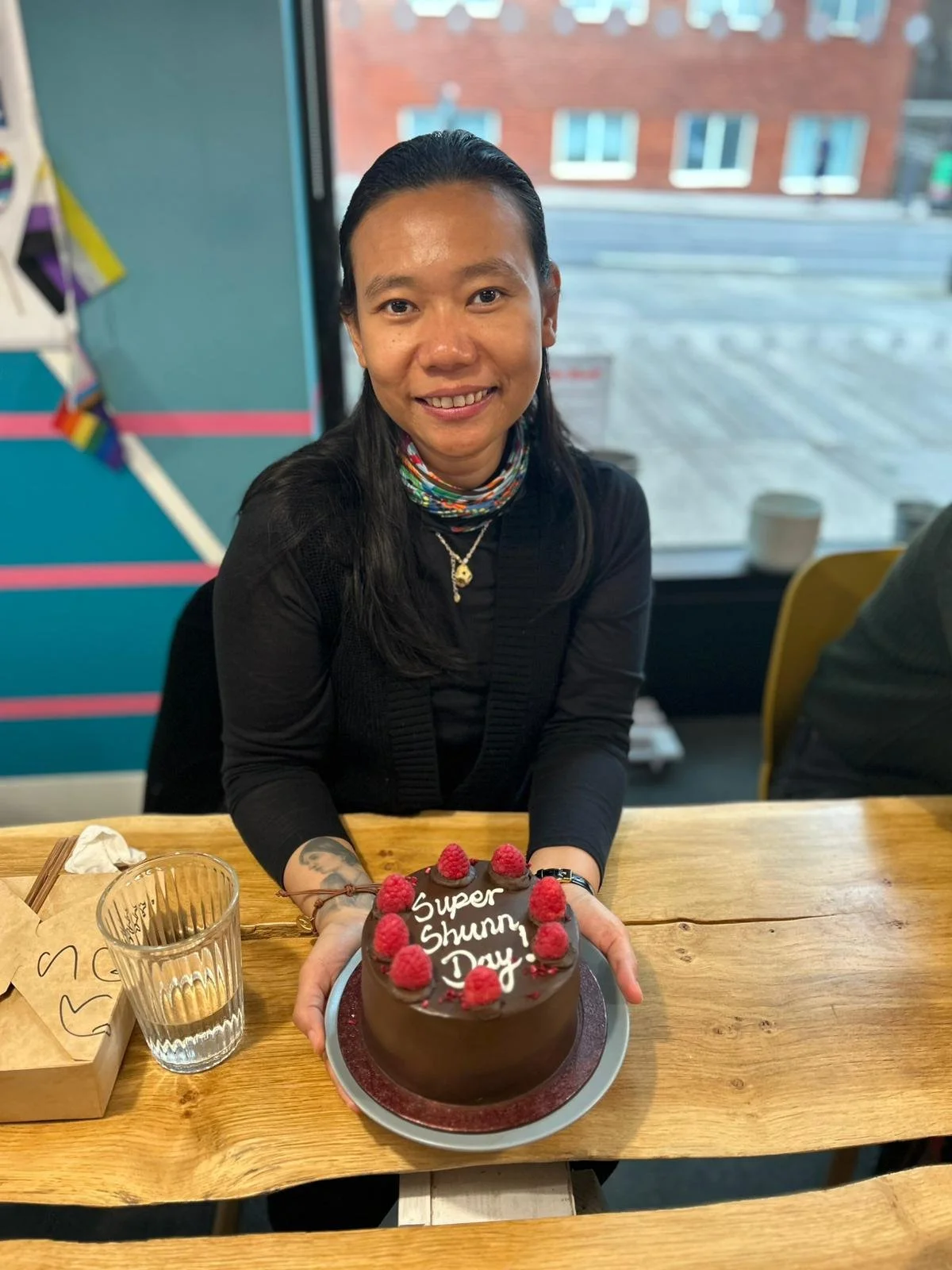
Marking the moments
Shunn with a team favourite: birthday cake!
Being together is so important in people-facing work, to make sure we stay connected as a team and as a community. It gives us the chance to check in, see where support is most needed and also celebrate when there is positive news! It definitely is the joy in the day-to-day that keeps us going: from seeing the children of our participants grow up in our childcare provision across the years, to someone starting a job, receiving refugee status or another special life event.
Thanks for reading! Please find the previous entries of this mini-series on collective care and mindfulness here.

Practices that support our work: mindfulness
In this summer 2026 Mini Series, we talk about practices that support our work. In this second part: how the skills of mindfulness can support with goal work and an increased sense of autonomy.
How do you keep going and keep momentum, when there are systemic barriers that make it difficult for people to reach their goals? During this Mini-Series, we reflect on a few top practices, that support our work. In this second part of the series, we reflect on Mindfulness - a set of skills shared with our alumni community earlier this year.
From January to March 2026, we offered an 8 week Mindfulness course to community members of Routes. This was one of the first activities on our newly established Alumni Programme, offering different types of skills and workshops - alongside further signposting, support and access to learning opportunities - for alumni mentees of our Mentoring Programme and candidates from our Routes to Employment cohorts.
The women in our Routes alumni community continue to work on their personal and professional goals - and thanks to the support of City Bridge Foundation - we are now able to provide regular touch-points, for them to continue to learn with Routes and with other women in our community. Over the years, we’ve seen how important it is for women to have a place to come back to: to ask questions, get references and up-to-date information and to continue to feel part of a supportive environment. With our newly established Alumni Programme, we’re able to offer more robust support, including workshop series.
Women in the Routes alumni community might be at different stages in their lives: some will have long-term status in the UK, whilst others are still waiting for their refugee status. Some will have had their first jobs in the UK, others are building up to that point. What they all share, is a commitment to their personal goals and the time and effort they’ve put in to build roadmaps for themselves, to progress in their learning and career pathways.
In the words of Wieke, Routes’ Head of Programmes: ‘One of our alumni mentors approached us, and asked if we were interested in offering mindfulness to our alumni mentees. She connected us with Charmaine, who eventually came to facilitate our online Mindfulness course! We straight away liked the sound of it.
“Whilst mindfulness cannot take away the barriers or stressors of the Hostile Environment that is the UK asylum system, mindfulness skills might help people navigating their personal goals related to their education and employment. ”
As such, Mentoring Programme Manager and Alumni Programme Co-Lead Shunn was tasked with organising the Mindfulness Course for Routes alumni. Facilitator Charmaine’s time was funded by The Everyone Project, who seek to make mindfulness accessible to those living with multiple stressors. Meanwhile, Routes’ provided data top ups to successful participants, so that they were able to attend the course from their devices without tech issues.
Course leader Charmaine joined Routes from her company The Mindful Zen. Together with Shunn, she hosted the 8 sessions of online Mindfulness learning, with Charmaine teaching. 'The course followed a gentle structured journey through awareness of thoughts, compassion practices, and how to create more mindful living — all to help people feel calmer, more grounded, and more in control of their inner world. Some participants arrived feeling overwhelmed; minds on alert, bodies tired, whilst others were worried about family members or struggling to stay focused. Many simply needed a moment to breathe.’
During the course, different techniques were shared, such as positive self-talk, body scans and other small practices that women could integrate in their daily lives. The feedback of participants about the course was really positive. ‘“I feel myself more relaxed. Before joining this course, my mind was always on alert mode, but now I have a lot of control to let things go and live in the present moment.”
Charmaine reflects on the impact this has on individuals and their wider social networks. ‘When women feel supported, centred, and empowered, everything changes — not just for them, but for the people around them. Mindfulness isn’t about escaping life; it’s about meeting it with clarity, compassion, and courage.’
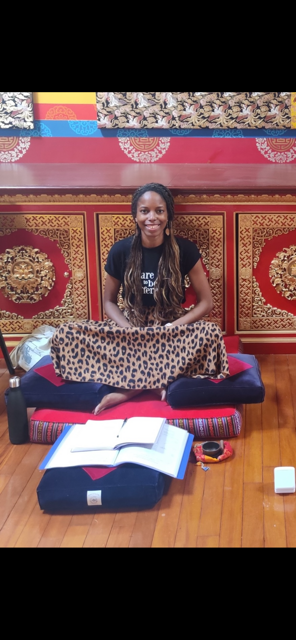
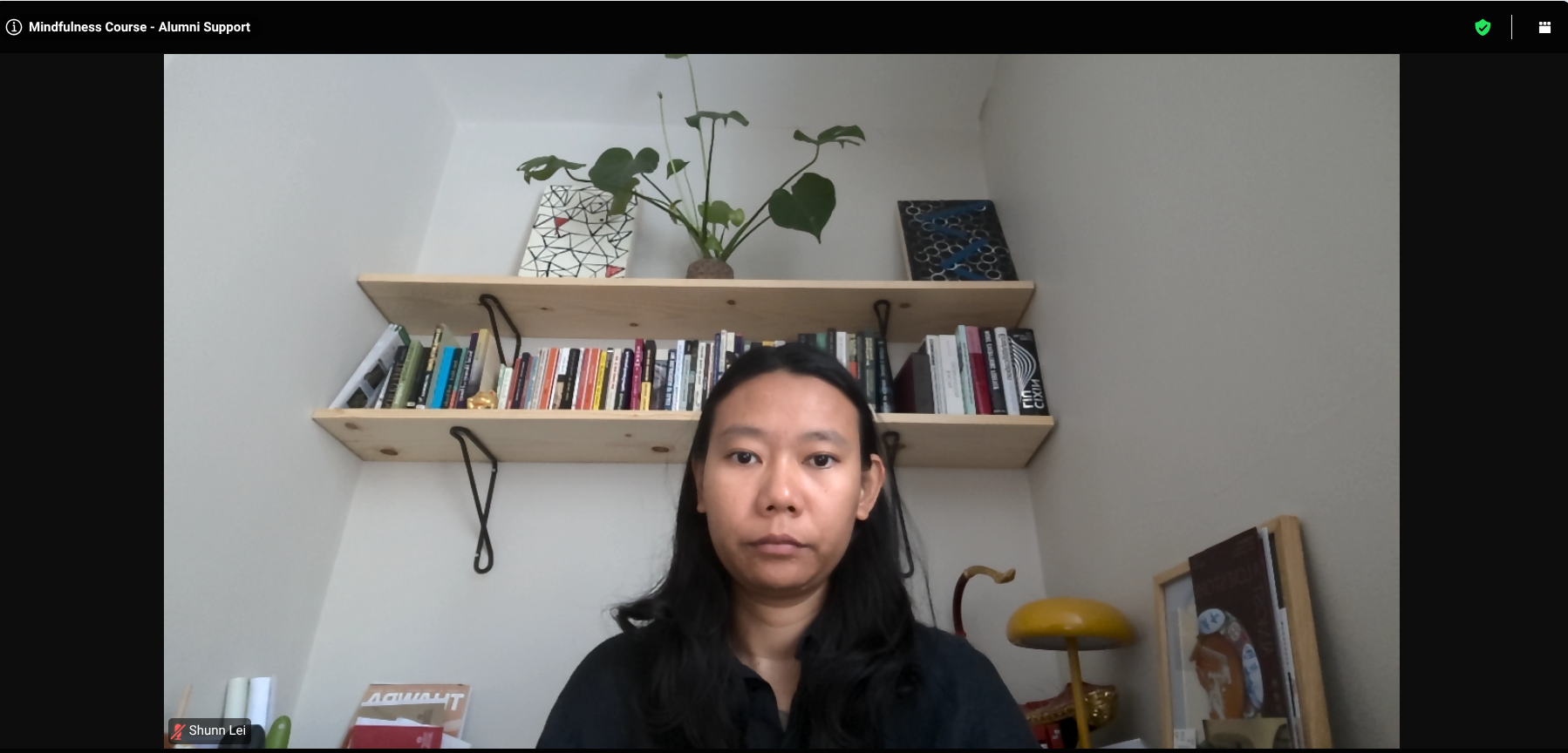
Pictured above: Mindfulness trainer Charmaine (in-person) and Routes Programme Manager Shunn (holding space online).
Women shared stories with each other too. As Charmaine reflects: ‘The course wasn’t just about techniques; it was about connection, compassion, and community.’ A participant mentioned this as one of the highlights and great benefits of the course: “All the exercises and sharing with each other. I learned a lot from others as well.”
As Routes’ Head of Programmes Wieke mentioned: ‘Being able to support yourself with calm in lengthy processes like a job search and learning more about how you respond and motivate yourself in situations that are new or scary, such as job interviews, seemed like a great thing to offer. We know from our work on the Mentoring Programme that confidence building is incredibly important. It was great to see our community members, who started with Routes in different years, practice relevant mindfulness related soft skills together.’
Charmaine links this back to goal work too: ‘Since delivering this course to individuals focused on developing their career goals, I have seen how mindfulness can quietly strengthen their motivation and confidence by helping people regulate stress, trust themselves more, and take steady, intentional steps forward. Working with Routes community was an absolute joy and privilege, because their openness, honesty, and willingness to grow created a truly meaningful learning space.’
Routes’ Programme Manager Shunn concludes: ‘To me, mindfulness is about autonomy - it’s about being able to regain what is important for you, and being able to have the clarity to understand which steps you need to take, to get closer to your goals. In being able to offer this to the women in our community, I consider it a feminist practice too!’
Thanks for reading! Stay tuned for Part 3 of this Summer 2026 Mini Series, with reflections by Routes’ Head of Programmes Wieke on the importance of marking the moment - big and small.

Practices that support our work: collective care
In this first part of our summer 2026 Mini-Series, Routes’ Mentoring Programme Manager Shunn reflects on the importance of accessibility and collective care.
How do you keep going and keep momentum, when there are systemic barriers that make it difficult for people to reach their goals? During this summer Mini-Series, we reflect on a few top practices that support our work.
In the first part of the series, Routes’ Mentoring Programme Manager Shunn reflects on what it means to work towards a feminist workplace and what accessibility has taught her about collective care.
I joined Routes in early 2025 as a Mentoring Programme Manager. Before that, I was off-work for my health for over a year. So it was exciting for me when I joined Routes, where the main pull for me towards the role were the values of the organisation.
Joy, Welcome & Autonomy, these three words struck me when I first learned about the work of Routes. They are the values that we work with. Often, autonomy is not something you see in the sector that we work in, yet it is such an important value. In fact, especially in the hostility we are in today, those values are needed to be embedded in the refugee sector more than ever.
Routes’ values are not only embedded in the organisation - these also reflect in the daily delivery of our programmes as well. For example, the Mentoring Programme is such a unique programme that is designed to offer individualised support to the mentees. Our Mentoring Programme follows the lead of the mentee, as we believe that each individual is their own expert for their life and knows best for themselves. I got to continue practising non-directive communication when I joined Routes, and it feels natural for me coming from my own practice of intersectional feminism.
My background is in feminist movement building and feminist research. In the past, I worked under a lot of political constraints and risks. Before Routes, I had actually never been in the service delivery work before. The collective care in the organising/movement building spaces is part of the political vision you are building together with the community. Movement building used to be my whole life, so I spent most of my days, nights in it.
In the past, I did not practise much resting - not because I did not know how to, but because that work brings a lot of joys in my life and I did not consider that as work. It is also ‘living a feminist life’ as Sarah Ahmed beautifully wrote: how feminist theory is actually generated from daily life experience, work and the home.
“
In the movement building space, you are constantly questioned, challenged and asked to unlearn things, in order to imagine a different future for the world that we want to live in. Much of its work of course centres around autonomy, care and solidarity. When I was looking for jobs after my recovery from complex health issues, I was looking for something similar, such as women’s organisations and community-building. I was particularly interested in roles where I can transfer my skills from my previous experience. That’s when I joined Routes!”
When I joined Routes, I was curious whether my values from the movement building could exist within an organisation. Often driven by difficulties within the funding landscapes and working within a complicated system, organisations can end up in some ways reinforcing the hierarchy of the system when engaging with the community. But that is not my experience with Routes at all. Every detail of the work is crafted with care, thoughtfulness and curiosity. It is one of the few organisations in the sector that lead with feminist practices that are guided by the intersectional values and principles. It is amazing to see how collective care is also practised in the service delivery work.
Over the past year, I have also been navigating my own health condition. Like many people living with long-term chronic health conditions, there are days when my energy changes unexpectedly. Some days require me to rest more than other days or I need to take breaks often during my working hours. What has been different at Routes is that accessibility has never felt like something I had to earn. Rather than having to constantly prove myself, I was trusted to understand what I needed to do my work well. Reasonable adjustments were not framed as favours but rather well-placed systems in the organisation to help people like me to do quality work. They were recognised as part of creating an environment where people can contribute sustainably while recognising our own needs for both mental and physical health. That is quite radical in a world where the system asks you to be constantly productive or accessibility is a mere accessory but doesn't reinforce the practice.
Accessibility is often imagined as ramps, software or equipment. Those things are essential of course but accessibility is also emotional, organisational and relational. It is asking, "What do you need to do your best work?" and believing the answer. I was encouraged to think about the support I need to do well in my daily work with my existing health conditions. Because people are seen as whole human beings rather than simply productive workers, conversations become more honest, collaborative and supportive. That for me is how Routes is practising collective care in daily life and how it changed the way I think about accessibility too.
“When people talk about feminist workplaces, they often begin with policies such as flexible working, equal pay, sick leave and so on. These things matter deeply but over the past year, working at Routes has reminded me that a feminist workplace is not simply built through policies. It is build through everyday practices of care, trust and relationships. It shows us that designing workplaces around human diversity rather than expecting everyone to perform in identical ways.
”
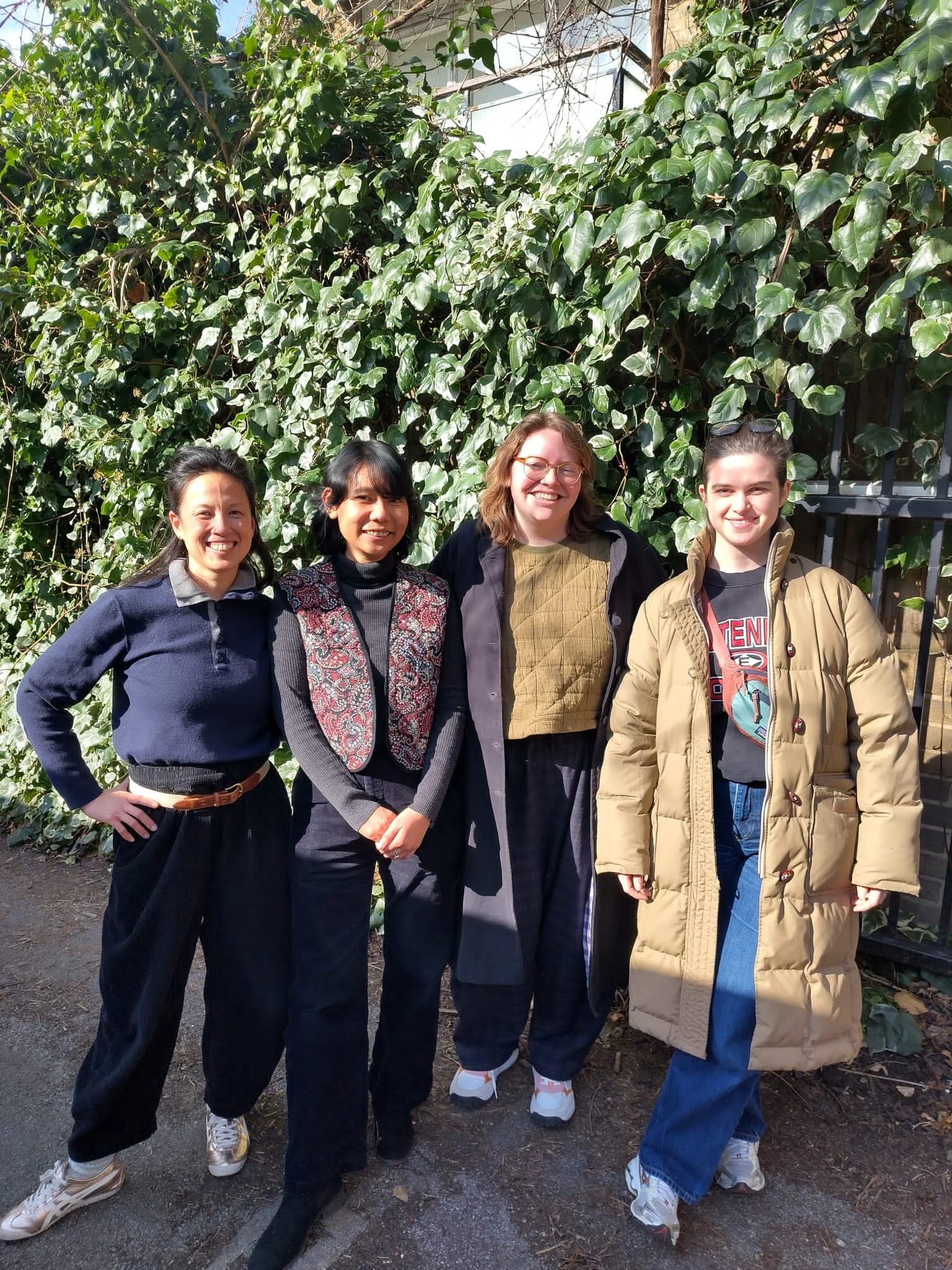
Picture on the left: members of the Routes team - Ni, Shunn (second from left), Leyla and Jocelyn.
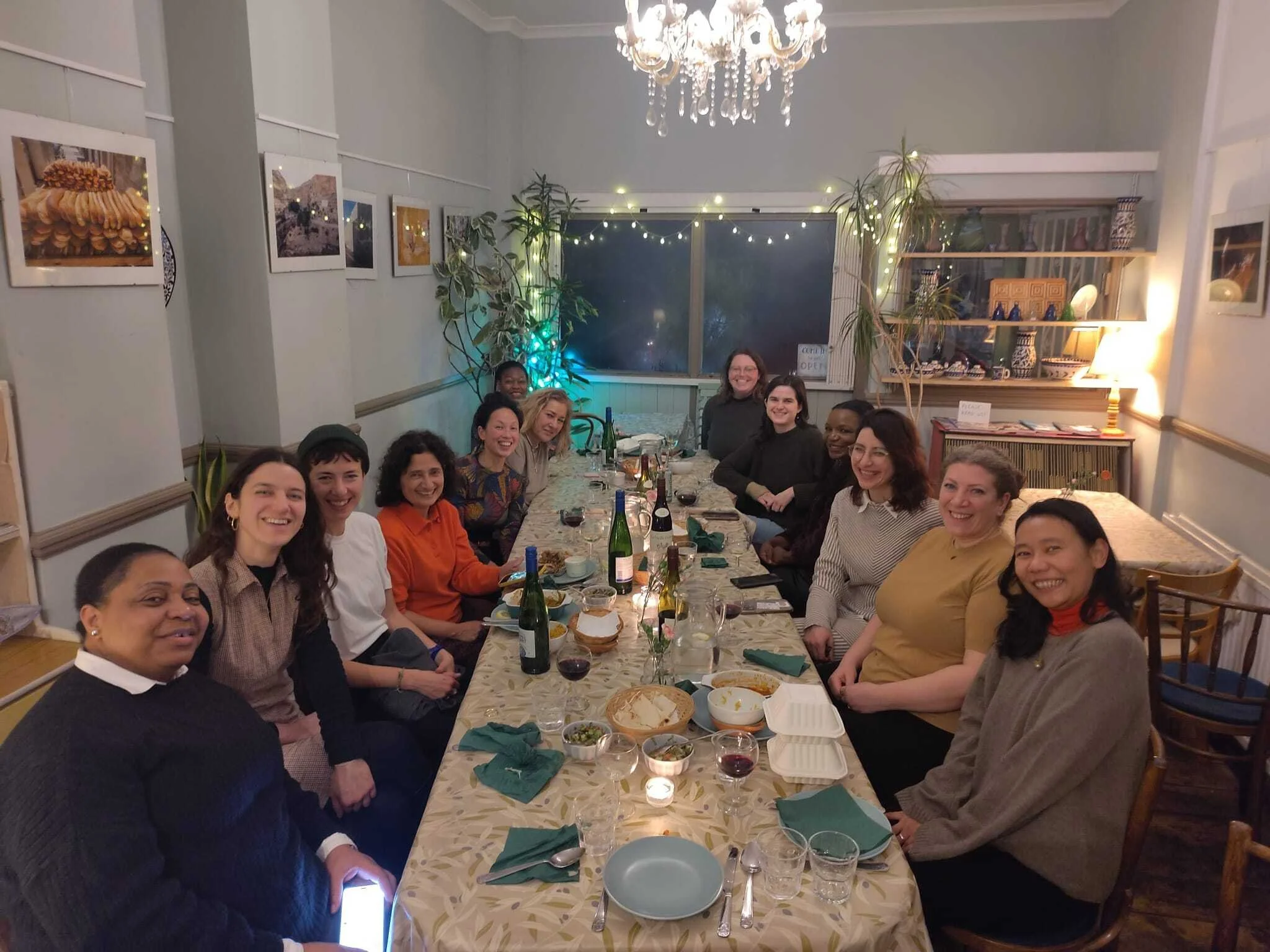
Picture on the right: yearly dinner with Routes team members, Board members, and members from the Routes’ Lived Experience Leadership Group. Shunn can be seen sitting as the first person on the right side of the table, with the big smile.
Working at Routes has reminded me that organisational culture is political. Every meeting, every decision about workload, priorities, delivery, every conversation about wellbeing communicates something about how we can best support each other. One of the most important lessons I have learned is that accessibility is never only about one individual. It recognises that every person moves through the world differently, and that difference is not a problem to be solved but a reality to design for a world that we want to live in. When organisations across the sector think about inclusion, I hope accessibility is no longer treated as a specialist conversation. It should be part of how we think about leadership, programme design, organisational development and workplace culture. It is about creating a feminist workplace and changing the narrative of the workplace into a more joyful space that allows people to thrive.
Routes often speaks about welcome, joy and autonomy as values that shape both our Mentoring Programme, our other projects and our organisation. Those values are not abstract aspirations or exist only on paper. They are practised through small, consistent actions that make people feel trusted, respected and able to bring their whole selves to work. Creating a feminist workplace is not a destination we arrive at, rather it is an ongoing practice of reflection, adaptation and collective care. With that practice, we can create a different world that we want to live in, where people can thrive to their full potential.
My health condition has taught me many things over the past year, but perhaps the most important is this: accessibility is not about lowering expectations. It is about removing unnecessary barriers so people can thrive. That, to me, is one of the most feminist practices an organisation can do.
Thanks for reading! Stay tuned for Part 2 of this Mini Series, with reflections by Shunn, Routes’ Head of Programmes Wieke and our Mindfulness facilitator Charmaine, on mindfulness as a set of skills to support goal work and autonomy.
What Mentoring Makes Possible
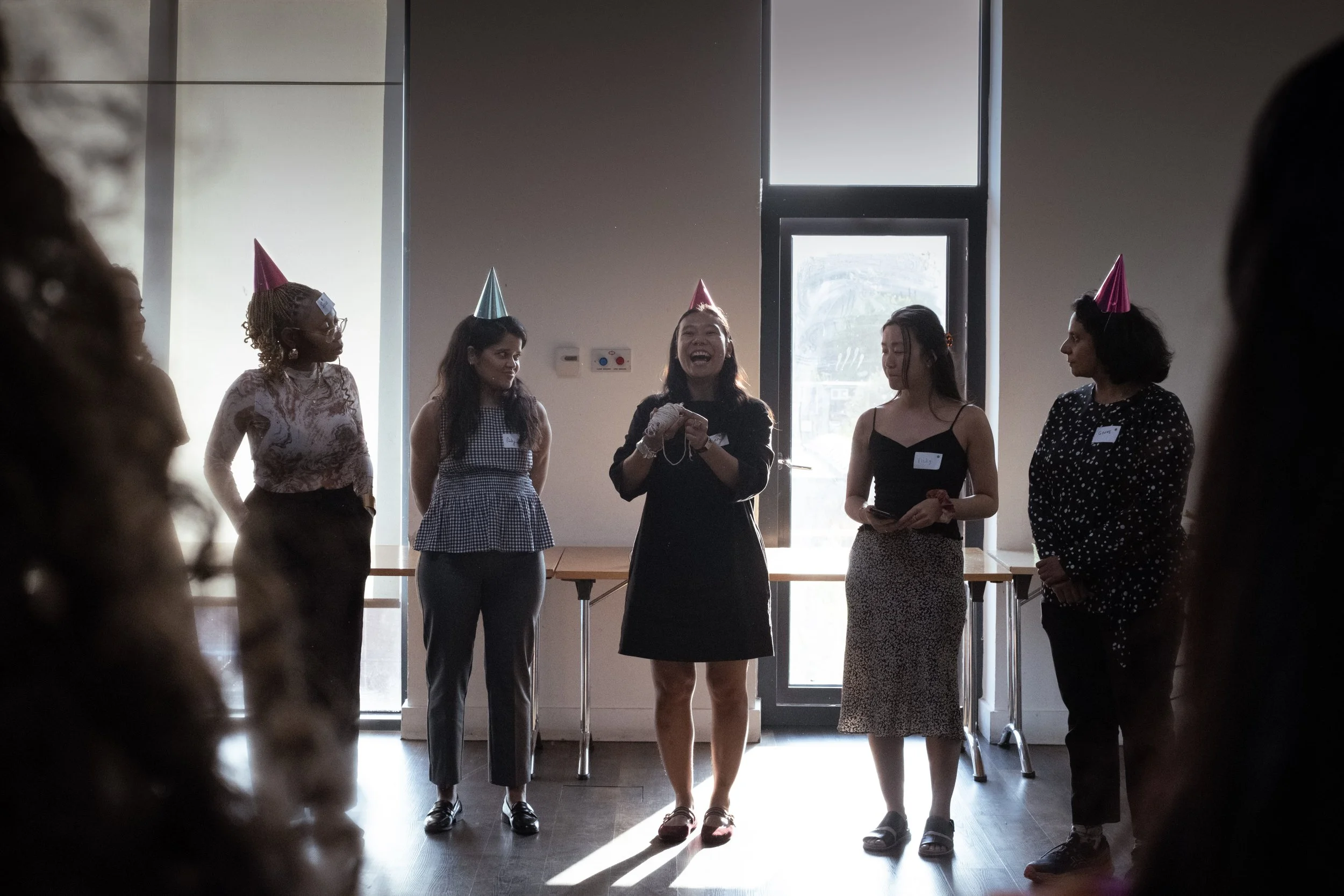
In July 2026, we marked the end of our 16th Mentoring Programme - with a wonderful Celebration Event on a hot summer’s night! In this blog, our Mentoring Programme Manager Shunn shares her reflections on what makes mentoring possible, from her work supporting this cohort of mentors and mentees.
In July 2026, we marked the end of our 16th Mentoring Programme - with a wonderful Celebration Event on a hot summer’s night! In this blog, our Mentoring Programme Manager Shunn shares her reflections on what makes mentoring possible, from her work supporting this cohort of mentors and mentees.
The sixteenth cohort. Another four months of conversations, shared goals, quiet encouragement, laughter over tea, moments of uncertainty, and celebrations that often began with something as simple as someone saying, "I think I can do this now."
““Every time a programme comes to a close, I find myself sitting with the same question: what actually happens during mentoring?””
On paper, the answer seems straightforward. Women are matched with mentors. They meet regularly, work towards goals, expand professional networks, prepare for interviews, build confidence, and take a step closer to their professional/personal goals. But that has never felt like the whole story.
Every mentoring programme reminds me that transformation rarely arrives in dramatic moments. More often, it happens in the space between two people who decide to show up for each other consistently. A mentor asking a series of thoughtful questions. A mentee daring to send an application they almost didn't submit. A message after an interview. A coffee that turns into a conversation about belonging, identity, and hope.
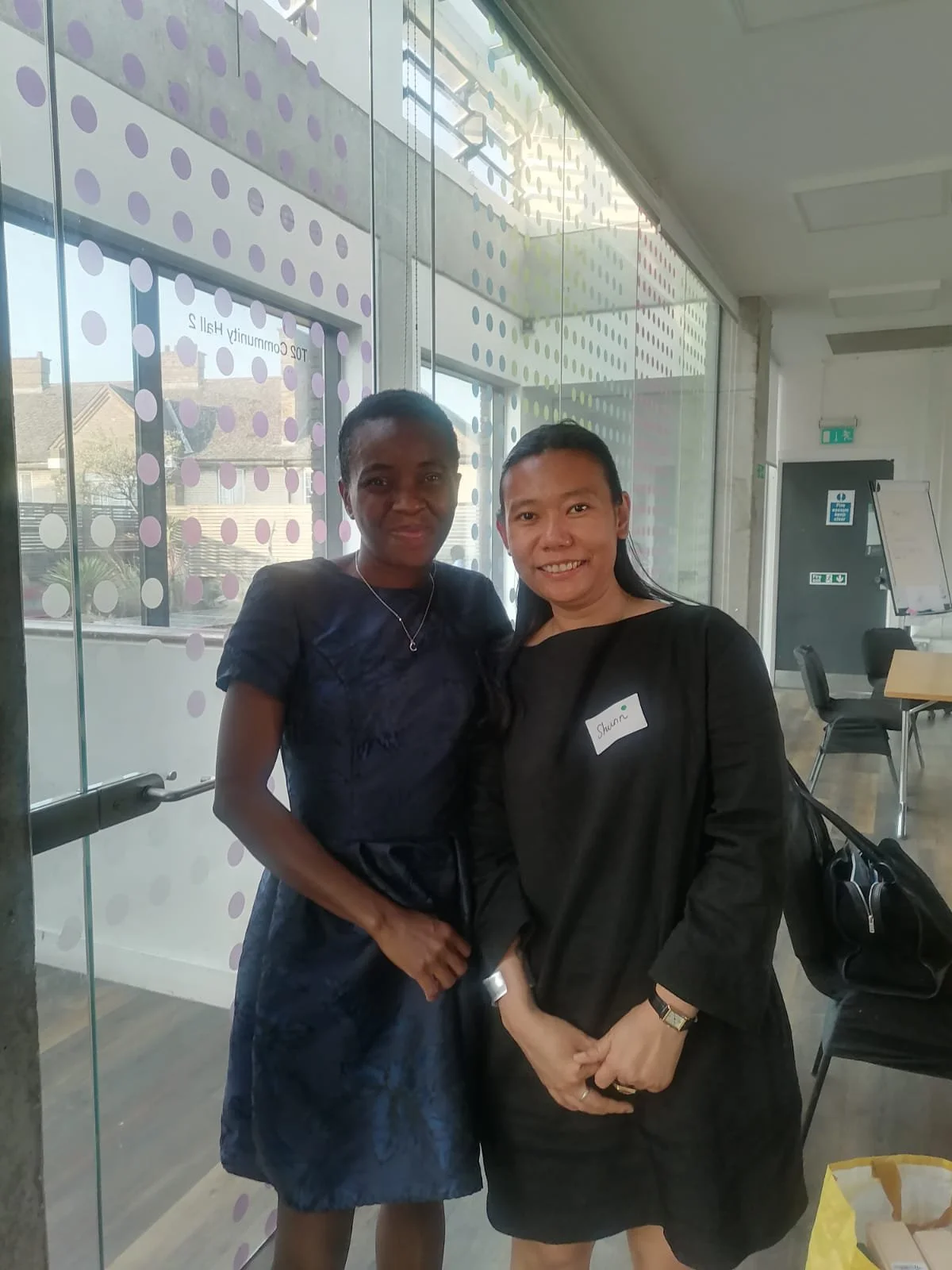
Mentoring Programme Manager Shunn, together with mentee Chinwe at the Programme’s Celebration Event in July 2026.
Some of the most meaningful moments are impossible to capture in feedback forms or end-of-programme impact. They happen quietly. In the pauses between conversations. In the moment someone realises they have more to offer than they had believed. In the trust that slowly grows between two people who, only a few months ago, were complete strangers. Or sometimes, they come back as insights to people months or a few years later.
As programme managers, we move alongside these journeys. We try to support the pairs in the best way we can, but also give space for the pairs to figure out their own best ways of working together. We witness the nervousness before the first meeting, the excitement after an interview, the difficult conversations when confidence falters, and the joy of seeing women recognise strengths that have always been there.
I often think about how much of the programme is built through relationships in addition to actioning goals throughout the journey.
Mentoring asks us to slow down. To listen. To be curious about someone else's story without trying to fix it. To share something of ourselves with another person, even if that is a bit of our story or the full focus of our attention. In a world that often measures success through outcomes and productivity, there is something quietly radical about making time for conversation.
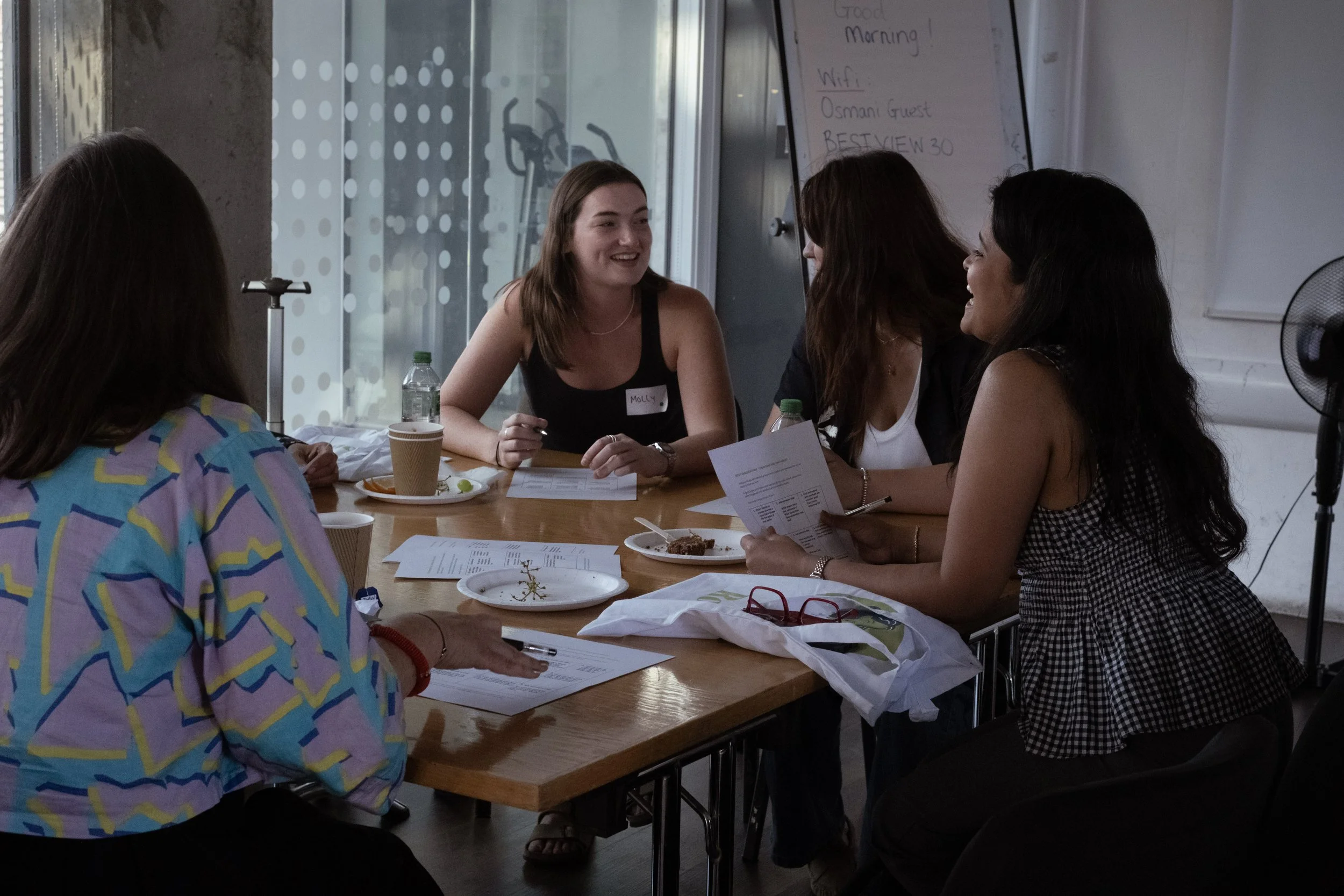
Photo above: Mentor Molly seen together with her mentee Abikela at the Celebration Event.
Perhaps that is what I continue to learn from this work. The women who join the programme arrive with extraordinary knowledge, shaped by lives lived across different countries, languages, professions and experiences of displacement. The mentoring relationship is not about filling gaps. It is about creating space for that knowledge to be recognised, shared and connected with new opportunities.
I am always reminded that learning moves in both directions. Mentors leave with new perspectives. Mentees leave having discovered possibilities they had not imagined for themselves. Somewhere along the way, everyone becomes part of a larger community.
This cohort's celebration felt less like an ending and more like a continuation. Looking around the room at the Celebration Event, I could see conversations between mentees and mentors exchanging stories, friendships forming across generations and professions. It reminded me that the programme extends far beyond four months. It becomes a growing network of women who continue to support one another long after the formal mentoring relationship has ended.
Working in the refugee sector means we are constantly reminded of the systems that create barriers. Yet every mentoring programme reminds me of something equally important: the systems we can build together instead.
Systems rooted in welcome rather than exclusion.
In care rather than urgency.
In relationships rather than transactions.
As our sixteenth cohort comes to a close, I am left with such gratitude to everyone in the programme. Grateful to every woman who trusted the process. To every mentor who offered their time with openness and humility. And to the growing community that continues to remind me that meaningful change rarely happens through grand gestures.
More often, it begins with a conversation.
And then the willingness to keep showing up for one another.
And then the resilience we build for each other.
And then the cheerings we applaud for each other.
And then the changes we bring to each other.
And with every new thread, that tapestry becomes stronger, more vibrant, and more hopeful than before.
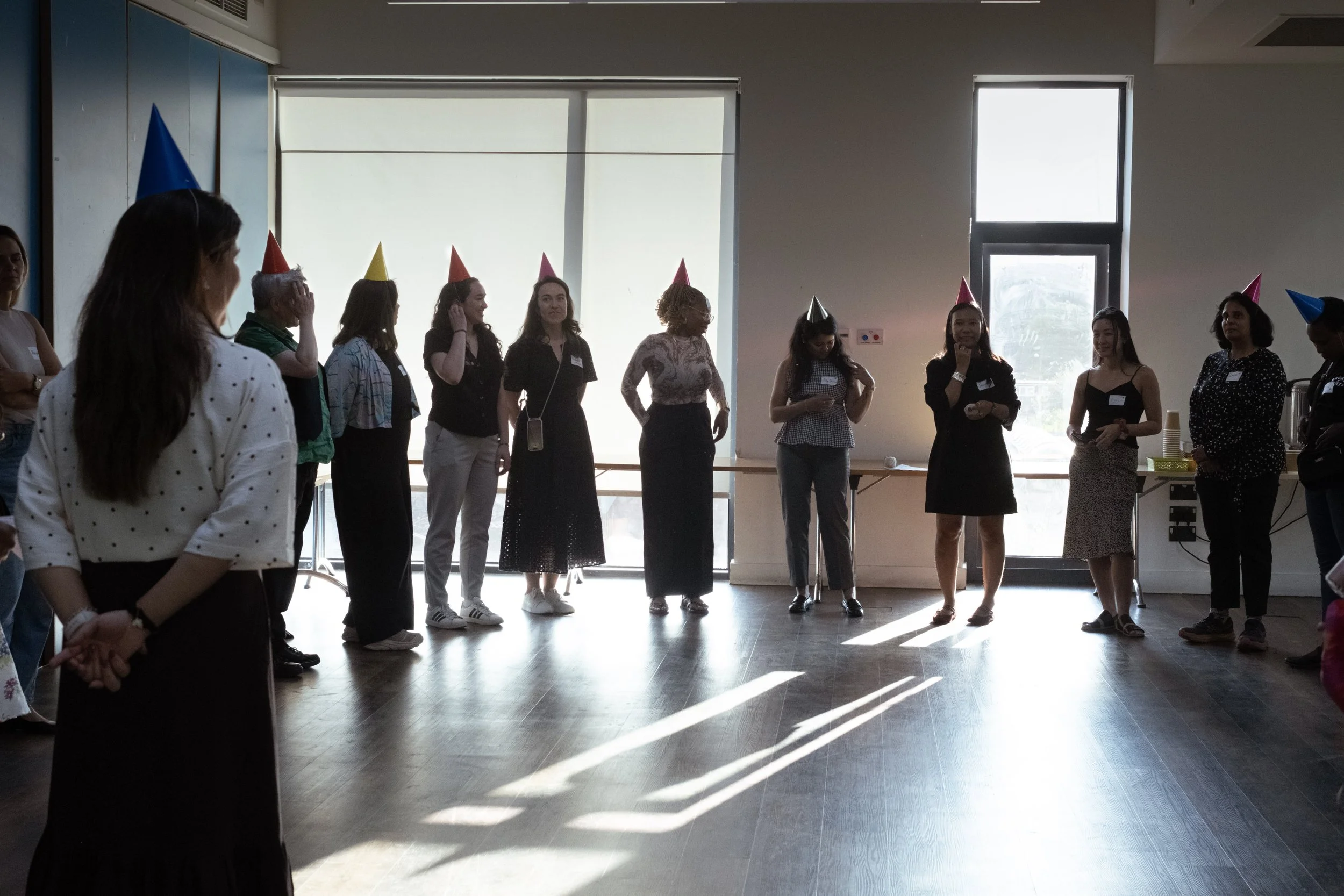
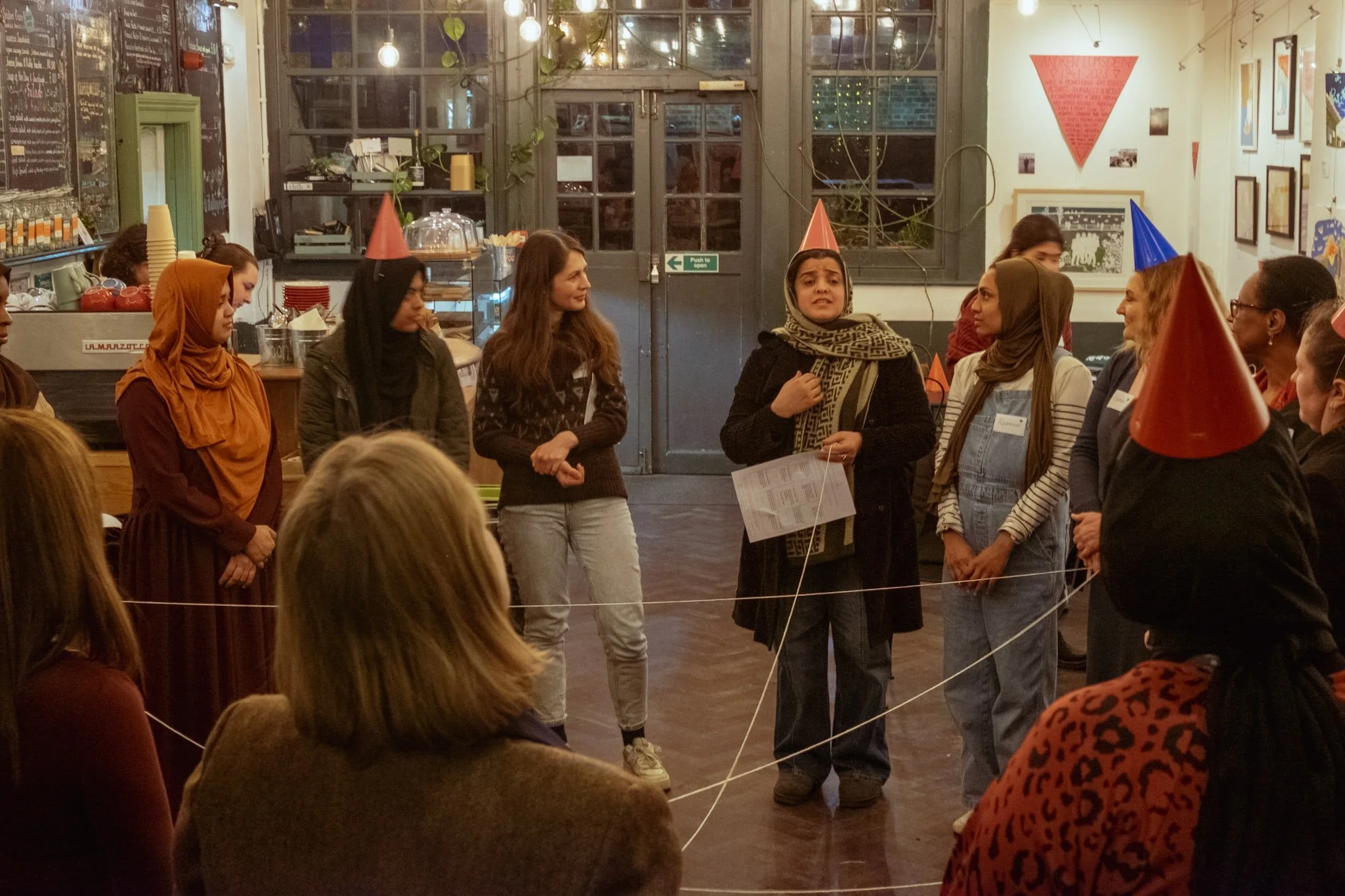
Photo: the web of connection-activity at the MP16 Celebration Event at the Osmani Centre on the 15th July 2026. Shunn can be spotted fourth person from the right, in a black dress and with pink party hat.
Join our Routes Mentoring Programme and gain access to our bespoke Inclusive Leadership Training, while supporting a woman from an asylum-seeking or refugee background to help in achieving her goals in education, employment or confidence building. Applications for the autumn 2026 Mentoring Programme close soon.
We have a limited number of bursary places available for mentors, so if you're interested to join our training and mentoring, we'd love to hear from you as soon as possible. Get in touch with us: Shunn at (shunn@routescollective.com).
The Corporate Courage to Hire Differently: Inclusive Recruitment for Refugee Women
A practical guide to inclusive hiring for London businesses: rethinking recruitment, interviews, and onboarding to include refugee women, from Routes' own experience.
London is a city built on stories of reinvention, from tech hubs in Shoreditch to the financial heart of the city. Our businesses thrive because we attract global talent, fresh ideas, and relentless innovation.
And yet many skilled and motivated women are finding themselves locked out of this ecosystem. Women from refugee and asylum-seeking backgrounds have made London their home, bringing with them professional backgrounds in project management, engineering, education, and entrepreneurship. They are ready to contribute, but their entry is often blocked by how we design our hiring processes.
This past Refugee Week, the theme was courage. Every single day, refugee women show determination as they rebuild their lives in our capital. For business leaders, HR professionals, and hiring managers, it invites a simple reflection — Do our businesses have the corporate courage to meet them, and change the way we recruit?
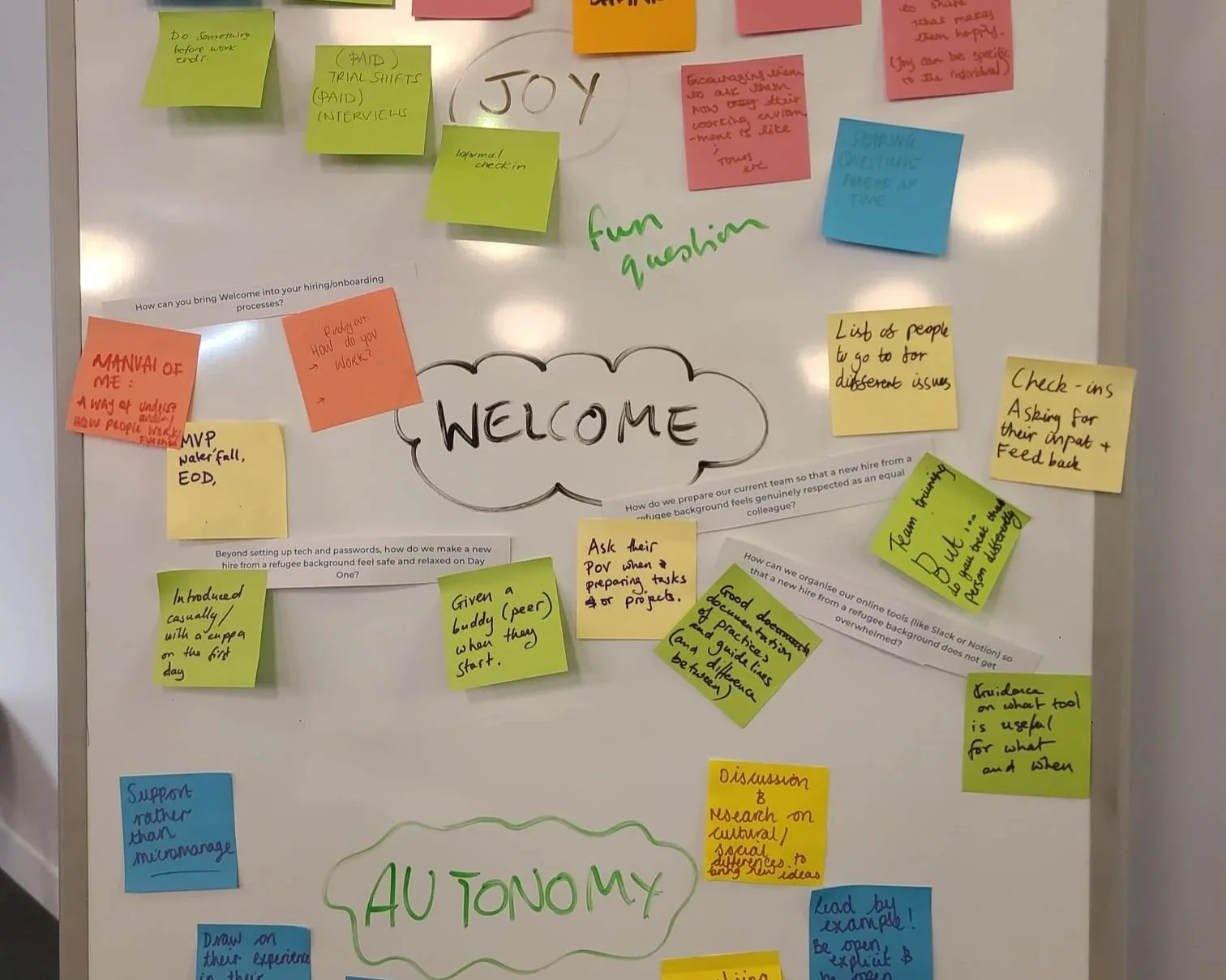
During a recent Lunch & Learn Routes hosted at Islington's social enterprise hub Better Space, local business owners and change-makers brainstormed practical ways to address the employment challenges facing women from refugee backgrounds. It boiled down to a question of inclusive hiring, renegotiating the processes that decide who gets seen, shortlisted and welcomed in, and where specific changes in practice can have an effect.
This is the work we do through our Routes to Employment project, activating employers, placing women from our community into professional roles, and learning what’s useful and what’s not. This is a practical, grounded blueprint drawn from these experiences, the sector and the businesses working to get this right, in order to make your hiring processes more accessible.
Shifting the Mindset
Before changing your processes, there’s a need to rethink how your company defines talent.
Hire for ‘Culture Add’
Organisations can hire for a "culture fit,” which may lead to a filter for the familiar, hiring people who look, talk, and think like the team that already exists. Inclusion means changing the way we hire by looking for what is different. "Adding" is intentionally seeking out perspectives, skills, and life experiences that your organisation will benefit from. Refugee women bring an international worldview and adaptability. By welcoming them into our businesses, we are inviting different perspectives that can challenge habitual processes, shake up thinking, and help organisations grow.
Recognise Resilience
Resilience is a defining leadership trait. What’s less examined is whether hiring processes are built to spot it. Forced displacement requires individuals to navigate unfamiliar legal, linguistic, and social structures while rebuilding their lives, calling on the agility, problem-solving, and emotional intelligence that businesses would like in their leaders. But our own research into refugee women's employment journeys in London tells us otherwise. 13.2% of the women we surveyed said a lack of UK work experience when changing career path was holding them back, and a further 7.36% pointed specifically to having no UK work references, regardless of the experience they already had. London's job market lacks mechanisms for recognising skills and qualifications gained abroad (Routes to Employment, 2025). It’s clear that resilience rarely gets picked up where employers may be looking for it.
In our flagship mentoring programme, one of our alumni mentors, a senior Managing Director at a global financial services firm, recently reflected that watching her mentee show up consistently for their sessions, despite ongoing challenges, made her realise the resilience her mentee carried was a quality she wanted to emulate in her own leadership. If that shift in thinking can happen across a four-month mentoring relationship, what would a hiring process need to look like to recognise that same resilience at first meeting?
Rewriting Recruitment
Where the filtering happens, and how to take it apart.
Look Beyond the CV
A chronological CV assumes a steady, linear, and uninterrupted life, but for most refugee women, that's not the life they've experienced, and it's not a reflection of their capability. UK Government research on recruitment bias has found that AI screening tools learn from historical hiring patterns and can automatically score down CVs with employment gaps. This doesn't just lock out displaced talent, it also affects other groups, such as parents returning to the workforce, carers, and people managing long-term health conditions or disabilities.
We should focus on what people can do, using blind CV reviews where names, graduation years, and specific locations are redacted to minimise unconscious bias. Better yet, invite candidates to complete a simple, practical task that demonstrates their current skill set, instead of relying on a written history of where they have been. Sector initiatives, such as Aon’s Displaced Workforce Impact Programme in partnership with charity Refugee Employment Network (REN), have facilitated insight and corporate navigation sessions focusing on identifying transferable capabilities in helping displaced professionals understand the complexities of the UK job market.
Stop Requiring UK Experience
Another persistent hurdle is the demand for local work experience or British references. Without that initial opportunity, people are often caught in a loop. They’re told they need UK experience to get the job, but are unable to get that experience because no one will take the first chance on them. The Tent Partnership for Refugees Employers' Guide to hiring refugees points to that pattern. Research from the CIPD Trust shows 39% of refugees surveyed had to drop down to an entry-level position compared to the role they held before arriving in the UK, and one in three said they never get to use the skills from their qualifications. Someone who has experience managing a budget, navigating a supply chain, or coordinating a team has already demonstrated what most employers are hiring for, regardless of the geography in which that experience was built. What's often missing isn't the skill, but the opportunity to show it.
Through Routes to Employment, we’ve been working with London employers to create paid placements to bridge the gap between refugee talent and the roles they’re qualified for. We supported a candidate into a three-month software developer role with web development agency Octophin Digital. She brought transferable skills from work experiences overseas, but had none in the UK. By introducing her to Octophin, and providing check-in support throughout the placement, we helped her translate that experience into a UK role. She’s now contributing to their digital work.
Remove Jargon From Your Job Specs
Corporate British English is packed with acronyms, idioms, and industry slang that can feel intimidating to someone unfamiliar with UK workplace culture, even if they’re fluent in English. The Refugee Council ran two pilot projects reviewing their own recruitment processes, and those of two smaller partner organisations. One of their key findings coincides with the need to keep job descriptions short and clear. If a sector this close to the issue is reviewing its own language, one would assume that most job specs require similar scrutiny.
Inclusive Interviewing & Onboarding
The process that gets them through the door, and determines whether they stay.
Interview the Person
Treating every candidate identically isn't the same as treating them fairly. A person balancing childcare, temporary housing, or unreliable internet access doesn't start from the same place as someone who isn't dealing with any of that. A single interview format won't help you see who is better suited for the role. Embed flexibility as a standard. Offer asynchronous video interviews. Give a clear, step-by-step agenda of what the interview will cover. At Routes, we share interview questions with candidates a week ahead of time, because it removes some anxiety that has less to do with someone's ability, and more to do with how unfamiliar the process feels. If in-person interviews are required, offer to cover travel and childcare costs.
Local business owners we’ve spoken to worked through this question themselves, and landed on changes that could go further than most employers expect. Paid trial shifts let someone show you what they can do. Collaborative interviews, where a candidate works through a scenario alongside the team, can surface more than a list of interview questions. And whatever format is chosen, be explicit and consistent about what happens next. Specialist organisations like Breaking Barriers already build bespoke pathways with employer partners across retail, healthcare, and engineering, moving candidates through workshops and assessment days before a paid placement, rather than relying on an interview to decide. The employers they work with gain a more accurate read on candidates, and their teams pick up new skills and support in the process too.
Build Psychological Safety into Onboarding
True inclusion begins when the contract is signed. For someone with experience of displacement, entering a new working environment can feel overwhelming. Create a compassionate, trauma-informed onboarding pace. Never expect or pressure her to share her personal background or migration journey. Let her be known for her professional expertise, sharing her story only if she chooses. Consider pairing her with a peer buddy outside her direct line management so that she can ask the questions a manager relationship might not make room for.
In our sector, organisations developed to support people with lived experience treat safety as something that requires structure. The Refugee Council's toolkit for managers, designed to help staff with lived experience of displacement build trust and progress in their careers, is worth referring to for any employer wanting to build supportive relationships, and adopt a strengths-based approach to bringing out skills.
Start With Your Organisation
The barriers worth looking at are the ones inside your own walls.
Question Day-to-day Norms
It’s easy for any business to sit inside its own echo chamber, assuming its recruitment and workplace culture are already open to everyone. Real change usually starts when leaders step outside that comfort zone and ask harder questions about who is being left out. At a recent networking breakfast with Vauxhall One, we asked business leaders to do exactly this, think about their own workplaces and question whether their processes are as inclusive as they think. It takes courage to admit where your systems are falling short, but that self-reflection is the moment inclusivity can be put potentially into action.
Invest in Proximity
You cannot shift a barrier you don’t fully understand. An effective, meaningful way to burst an organisation’s bubble is to bring your team into proximity with the realities of people you might not otherwise meet. Partnering with Routes to involve your senior leaders and managers in our bi-annual mentoring programme puts them in a four-month-long one-to-one relationship with someone navigating the distinct systemic barriers we’ve been mentioning so far.
Inspired by our mentoring partnership, UBS took it a step further, piloting a reverse mentoring scheme with us where refugee women who have previously worked towards their goals in our mentoring programme, mentored executives on cross-cultural understanding, leadership and resilience. It challenged these leaders on their assumptions, not as a tick-box exercise, but as a shift in how they think about ‘welcome’ and who belongs in their teams.
Taking the First Step
Rethinking everyday hiring practices takes effort. It means looking at habits and finding the courage to say, "This isn’t working for everyone, so let's try something different." When you open your doors to other individuals whose paths here haven't been straightforward, you can welcome colleagues with unique perspectives, approaches to problem-solving, and dedication.
The barrier most employers raise is capacity, that some of this is possible if there was more time or resources to spare. Yet, if a room of business owners can work through several ideas taking into consideration their limits under ten minutes, imagine what your team could do within an hour. Routes runs Lunch & Learns for businesses ready to take a closer look at their own hiring practices on where to start. If that's useful to you, get in touch.
My Journey with Routes: From Service User to Project Manager
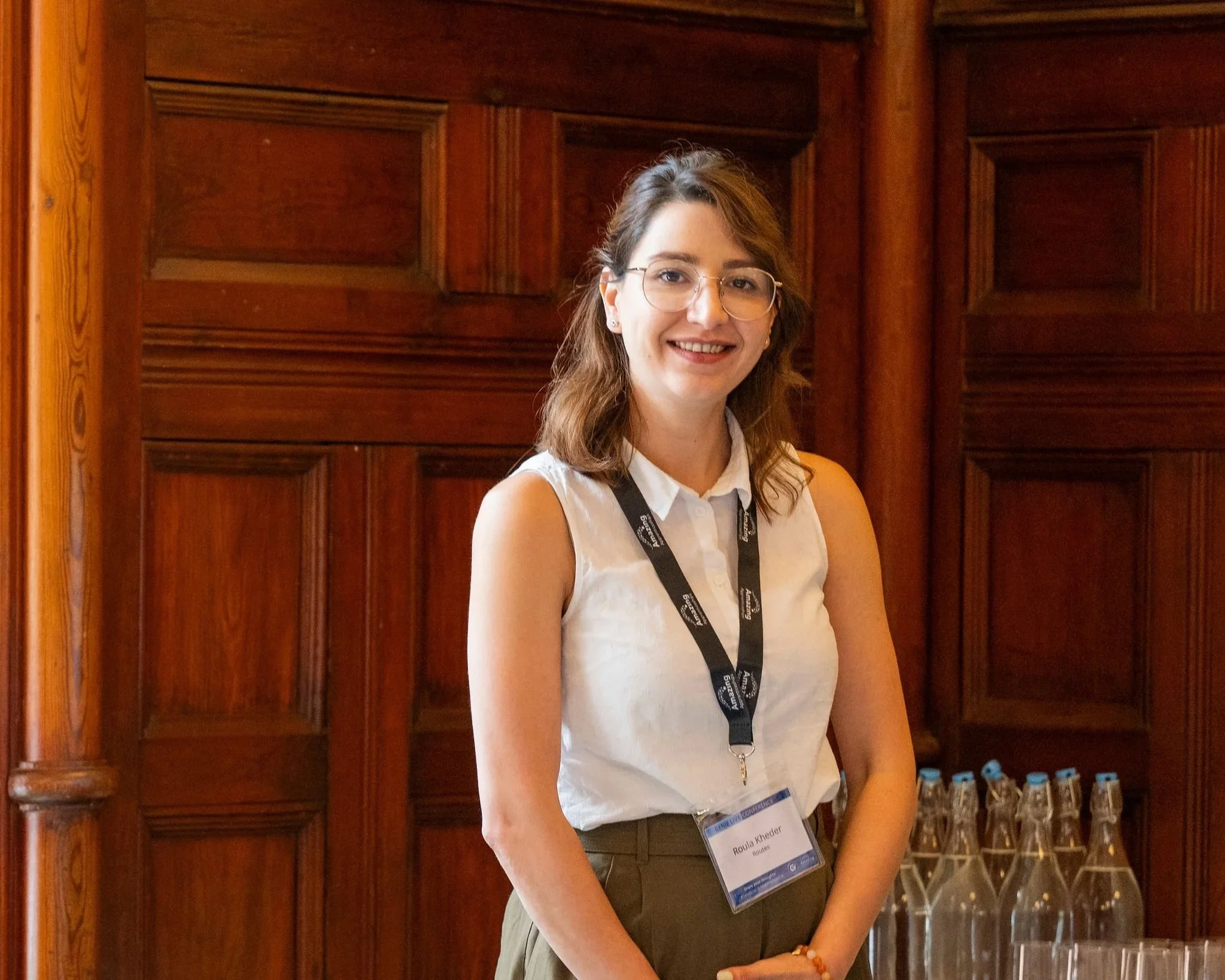
Routes’ Project Manager Roula Kheder Alsheikh, reflects on her time with Routes: from joining as a mentee, to co-leading on our Routes to Employment work.
Roula Kheder Alsheikh, the Routes to Employment Project Manager, shares the story of her time with Routes - from mentee to Project Manager.
As I prepare to leave my role at Routes and step into a new chapter in sustainability - the career path I dreamed of when I first joined the Routes Mentoring Programme - I’ve been reflecting on the journey that brought me here. What began as a search for support during one of the most uncertain moments of my life became a transformative experience that shaped my confidence, my career, and my sense of belonging in the UK.
Finding Hope in a Difficult Time: My Mentoring Experience
In 2020, just after the first COVID‑19 lockdown was announced, I received a call from Daisy, the co‑founder of Routes. They told me, “Congratulations, we’ve found a mentor for you, and you have a place on our programme.” At a time when the job market was collapsing, organisations were reducing services, and uncertainty was everywhere, that call felt like a light at the end of the tunnel.
Being matched with a mentor who shared a similar background and who would support me for four months was more than I expected. It was exactly what I needed. I was actively searching for employment support, building a network, and applying for roles in Environmental Impact and Sustainability. Through the mentoring programme, I explored what it would take to reach that goal. I also realised that the journey would be longer and more complex than I had imagined.
During that period, Routes became more than a programme. It became a support system, a community that made London feel less overwhelming and less isolating for someone rebuilding their life as a refugee.
Routes as My Support Network
Through Routes, I was introduced to organisations committed to employing people with lived experience of displacement. This network helped me secure my first job in the UK as a Volunteer Manager at a social impact organisation.
Even after starting that role, I stayed connected to Routes. I was still holding onto my long‑term ambition of working in sustainability, and being part of the Routes community kept that goal alive. It reminded me of what I wanted to achieve and gave me the encouragement to keep moving toward it.
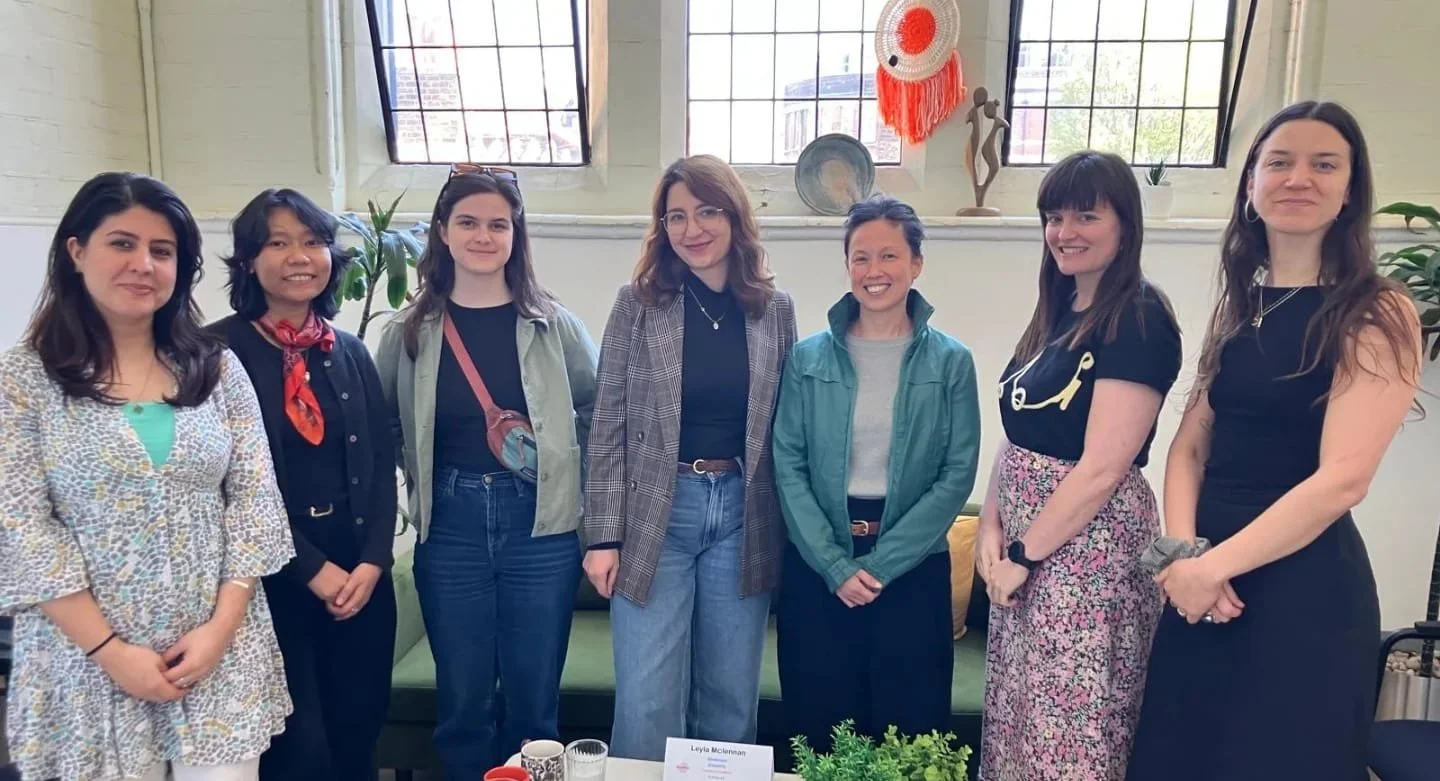
Routes team left to right: Programme Managers Tamana and Shunn. RtE Project Managers Jocelyn and Roula. Fundraising Manager Ni, Head of programmes Wieke and Co-CEO Yeri
Exploring Refugee Employment Barriers
In 2023, I joined Routes as Project Development Manager. The opportunity to lead a research project on the systemic barriers facing refugee women in employment felt deeply personal. I had lived those challenges myself, but conducting the Routes to Employment research allowed me to understand them on a much deeper level. I spoke with refugee women, employers, sector organisations, and community groups. I uncovered hidden barriers, listened to stories that mirrored my own, and saw how policies, even small ones, can profoundly affect people’s lives. This work turned me into an advocate for refugee employment and strengthened my commitment to creating fairer pathways for women from my background, which is why I’m especially proud to have spoken about these issues on the Expert by Experience podcast, Community as a Superpower, a collaboration between Routes and Refugee Action for Refugee Week 2025.
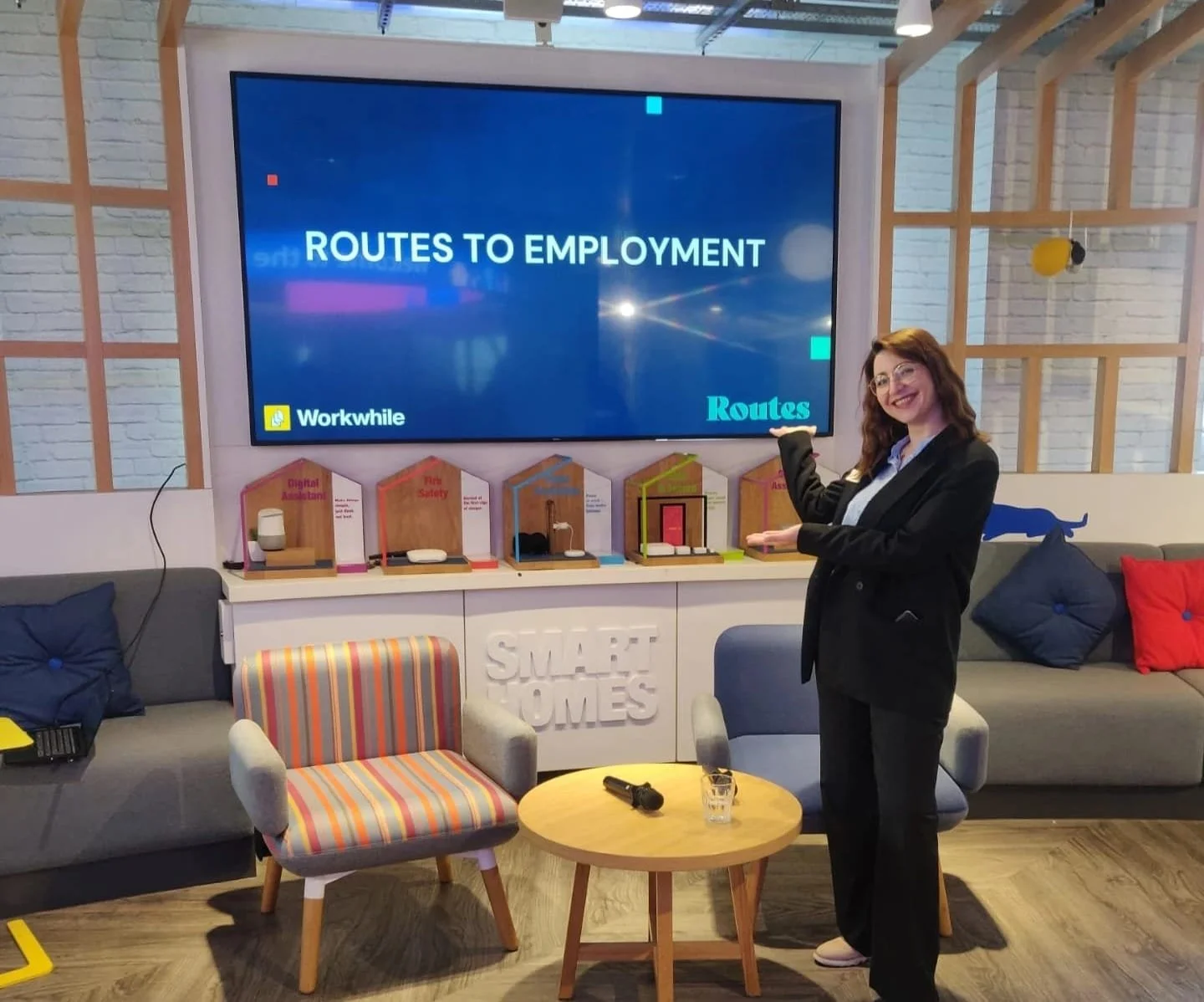
Roula presenting the Routes to Employment research findings to a group of employers at the pilot project launching event
What I Learned Working at Routes
I have always admired the way Routes works, the kindness, the thoughtfulness, and the genuine care shown in every interaction. When I joined the team, I began to embody the organisation’s values: Joy, Welcome, and Autonomy.
I learned how small details can make people feel valued, acknowledged, and seen. I also learned what it means to create a space where people feel safe speaking, sharing, and growing. And throughout my time at Routes, I felt heard, supported, and trusted.
Closing This Chapter and Beginning the Next
Leaving Routes is bittersweet. This organisation has shaped my journey in ways I never expected, first as a mentee, then as a community member, and finally as a project manager. It helped me build the confidence, experience, and clarity I needed to return to my original goal: a career in sustainability.
As I move into this next chapter, I carry with me everything Routes has given me: the skills, the values, the community, and the belief that change is possible when people are supported with dignity and compassion.
Routes will always be part of my story, and I hope my journey inspires other refugee women to pursue their ambitions, no matter how distant they may seem.
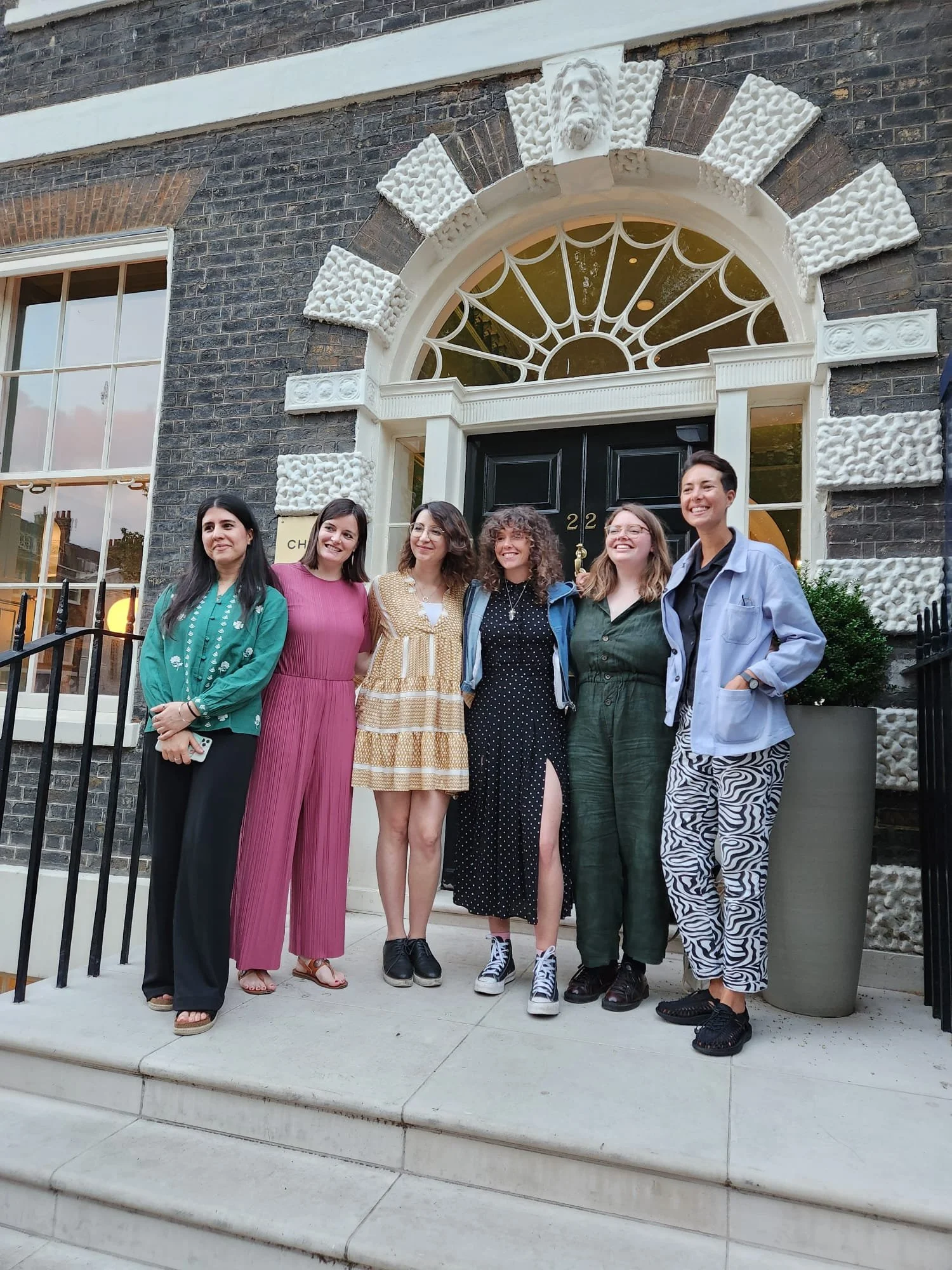
Routes team left to right: Programme Manager Tamana, Head of programmes Wieke, RtE Project Manager Roula. Former Business and Partnership Lead and Co-founders Leyla and Daisy
Double-click to edit...
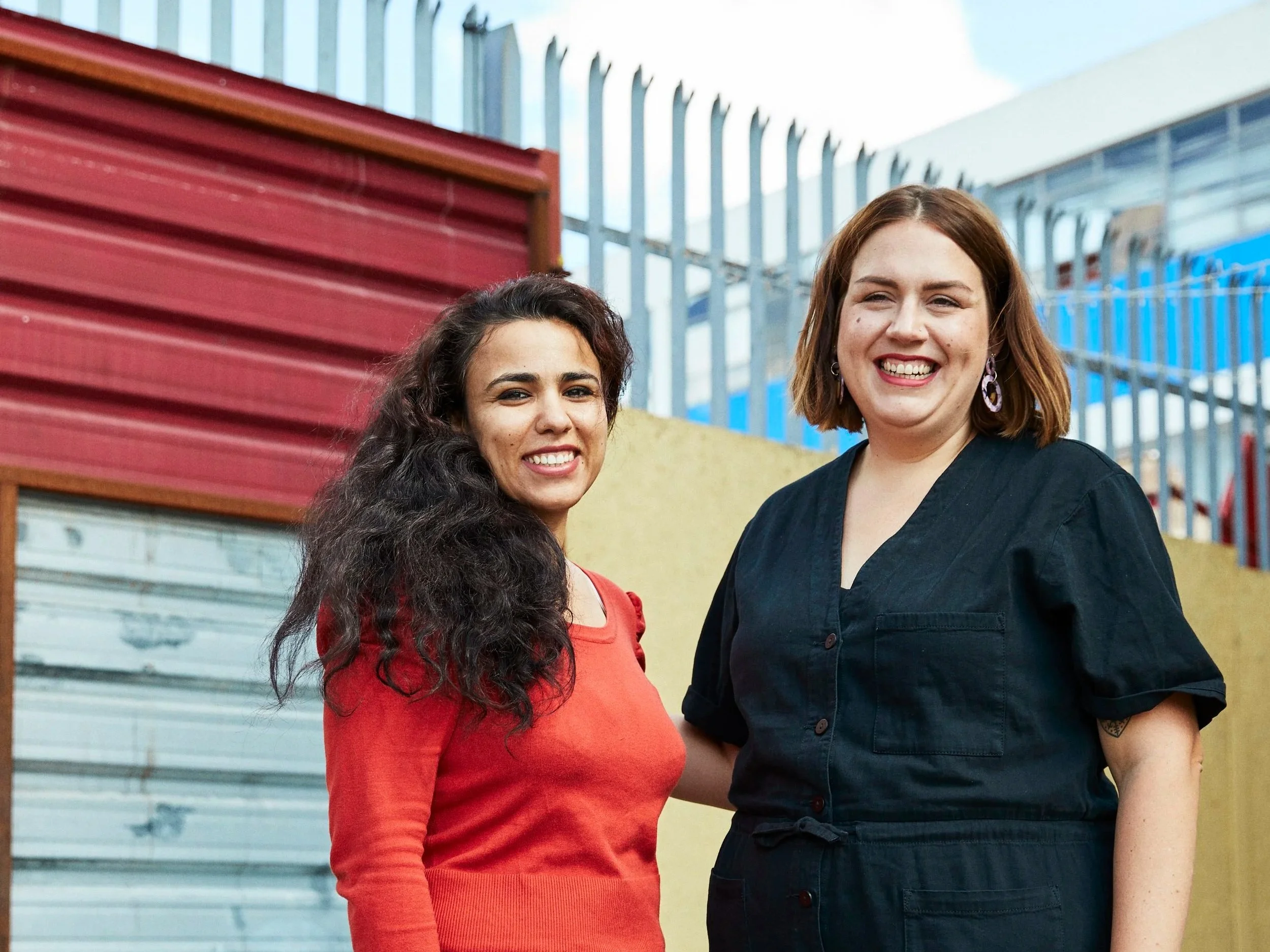
Give to Gain
This International Women’s Day, Routes considers what it means to Give to Gain. Our mentoring programme is an example of mutual impact - refugee and asylum-seeking women build confidence and skills, while mentors develop inclusive leadership and broaden perspectives. However real giving combines time, knowledge, and financial investment, enabling partnerships that are sustainable, outcome-driven, and truly benefit everyone involved.
The theme of this year’s International Women’s Day is Give to Gain. Their website describes it as emphasising ‘the power of reciprocity and support. When people, organizations, and communities give generously, opportunities and support for women increase.’
Giving comes in many forms - money, time, knowledge, resources and support. Each has its place and importance, but the acts of giving that are genuinely reciprocal often leave the most lasting impact for everyone involved.
Reciprocity by design: Routes’ mentoring programme
Routes’ mentoring programme, which has been at the core of our work since 2018, is built on the understanding that relationships and networks are essential in rebuilding a life and career. It was designed as a programme of mutual impact - both on refugee and asylum-seeking women who join us as mentees, and professional women across sectors who join us as mentors. Mentees are supported to reach their goals and grow in confidence, whilst their mentors are supported to develop impactful and compassionate leadership skills. Along the way, both gain insights into experiences that are often very different to those in their usual networks or communities, broadening perspectives and fostering mutual understanding. A perfect encapsulation of Give to Gain.
‘This mentoring experience shaped my leadership skills in ways I never expected. It helped me recognize how essential soft skills—such as empathy, inclusivity, non-directive communication, collaboration, and support—are to being an effective and inclusive leader [...] Through this experience, I learned not only that these qualities are fundamental to good leadership, but also how to intentionally incorporate them into real leadership opportunities. This shift in perspective has been incredibly meaningful.’ - Mentor, 2026
Too often mentoring is positioned as an act of generosity, rather than a mutually beneficial relationship. Framing it this way reinforces an unequal dynamic, placing the mentor in a position of authority and the mentee as the passive recipient of goodwill. At Routes, we try to shift the balance of power towards something more equitable by designing our programme explicitly around the growth of both mentor and mentee, and by clearly recognising the value mentors gain from participating. A fundamental part of our mentor training focuses on inclusive practice, encouraging mentors to examine the assumptions they may carry (many rooted in cognitive bias that may go unnoticed) and to recognise how these shape the way they interpret other people’s experiences. This reflection is essential for building equity and allyship. It allows mentors to focus on listening to what their mentee is actually saying, rather than responding to assumptions about who they think that person is. In doing so, mentors gain valuable new perspectives, skills and experiences, all while giving their time and knowledge.
"I developed a greater appreciation for the different journeys that people take to achieve their goals. It brought me a lot of joy to share a positive feeling, offer a listening ear, and work on practical exercises with my mentee so she could continue to make progress in her life's journey. She brought her whole self to each meeting, no matter the difficulties of the day. Something I wish to emulate as a leader." - Mentor, 2026
Giving money is essential
The idea behind Give to Gain raises an important point that giving isn’t just about money. While we wholeheartedly agree with this, it’s also important that we talk honestly about the ways in which non-profits are increasingly stretched for funding, and the impact this has on women and other communities that deserve more. Too many businesses want to support with time rather than money, without considering the broader investment needed to make those contributions truly valuable for the people they aim to support.
We hear this all too often; organisations wanting to contribute only through volunteering opportunities for their employees, or offering work coaching but not paid work experience. We’ve also had many conversations with businesses asking to ‘access’ the women in our community because they have a product or service that could potentially benefit them. While the intention is often genuine, what’s frequently absent from these conversations is full consideration of the real barriers our community members face - whether that’s unequal access to technology, lack of childcare support, or the impact of unpredictable policy changes. Without that thinking built in from the start, we risk becoming another exercise in visibility and will fall short of translating these opportunities into meaningful outcomes for the women that we work with.
While these opportunities can be valuable, they come with a hidden cost. Matching willing volunteers with meaningful opportunities to share their time and knowledge - and gain a valuable learning experience - requires significant organisational resource. This work is often expected to be absorbed by organisations like ours for free but instead, there needs to be more openness to discussing what a genuinely reciprocal partnership might look like. Without funding, it becomes hard to sustain our work or expand the reach and impact of our programmes. What we would like to see is a greater awareness of positionality when approaching these conversations, because without financial support, organisations like Routes - and the infrastructure that connects people with opportunities to give time and knowledge - will cease to exist. In 2024, over 900 small charities closed down in the UK, a sharp increase from previous years and a trend that we are seeing continue.
Strategic giving that delivers for everyone
We have wonderful experiences of collaborating with businesses in dynamic ways that serve both of our interests, and we’d love to connect with more businesses interested in setting up reciprocal partnerships. Real impact (or real gain) requires strategic giving: combining time, knowledge and resources with financial investment in the infrastructure that makes these contributions sustainable and outcome-driven. Through partnerships that include financial support, we can explore:
Inviting employees onto our mentoring programme. They’ll get 15 hours of training and the opportunity to hone their new skills while mentoring a woman from our community.
Setting up work placements for refugee women in your workplace. We prepare and match suitable candidates for your position and provide wraparound support through the placement.
We can deliver high quality training or consultation on inclusive leadership with your teams.
We can provide data that will help you deliver your ESG or impact goals.
We can connect you with trusted socially impactful ITAD (IT Asset Disposal) partners for donating much-needed tech equipment (e.g. laptops), who can manage secure redistribution and provide relevant impact reporting.
We’re open to other ideas if you are looking for something different but related to our scope of work.
‘I couldn't recommend the mentoring programme more. For anyone interested in leading in a way that challenges what we've come to know as our common experience - top down, hierarchical etc. Routes provide the most refreshing counter point. I've learnt so much about the ways in which we can empower others while being a leader and I think the working world would be a much better place if everyone took part in this experience.’ - Mentor, 2025
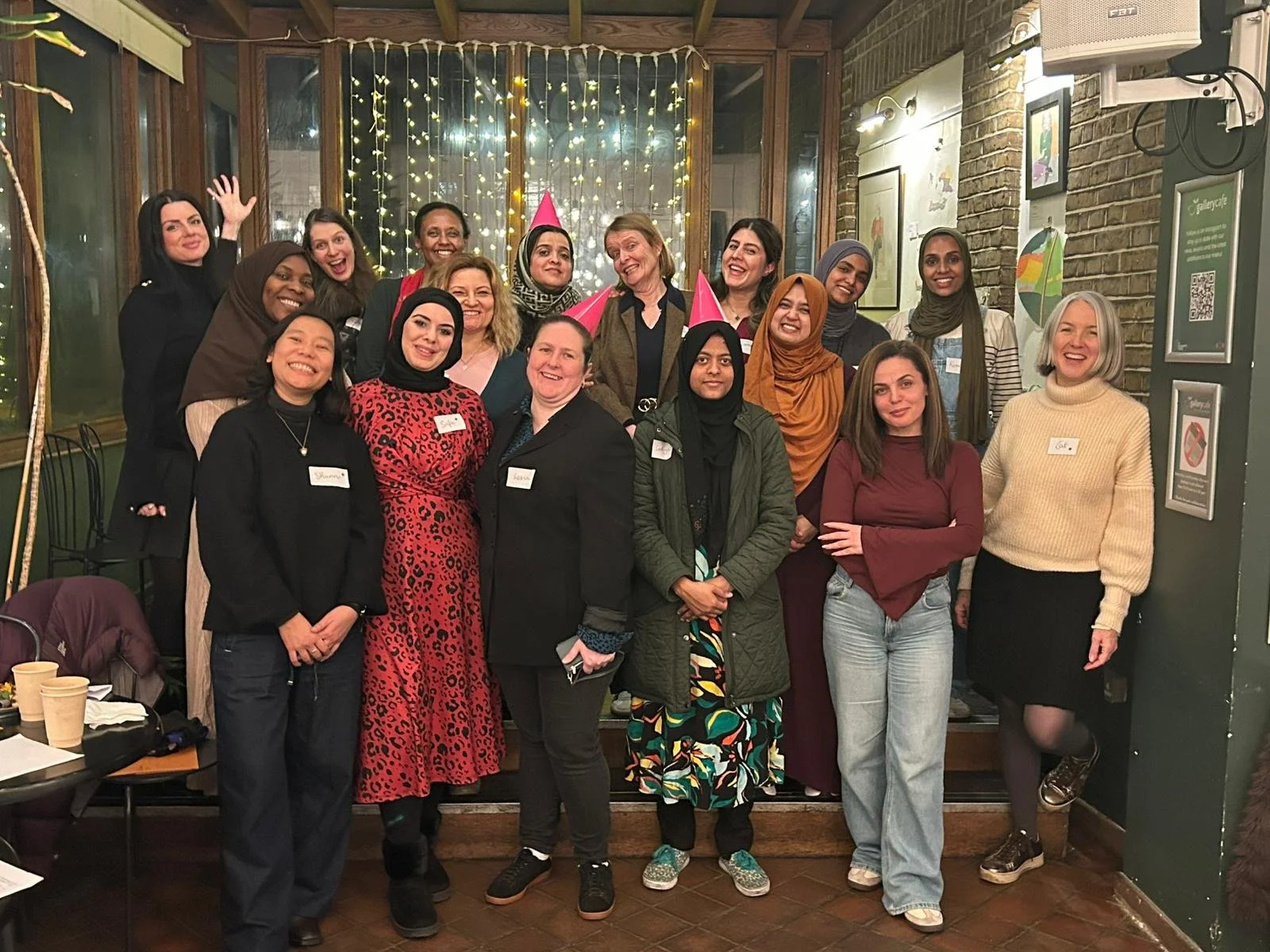
15 moments from Routes’ 15th Mentoring Cohort
Image from Routes 15th Mentoring cohort celebration event.
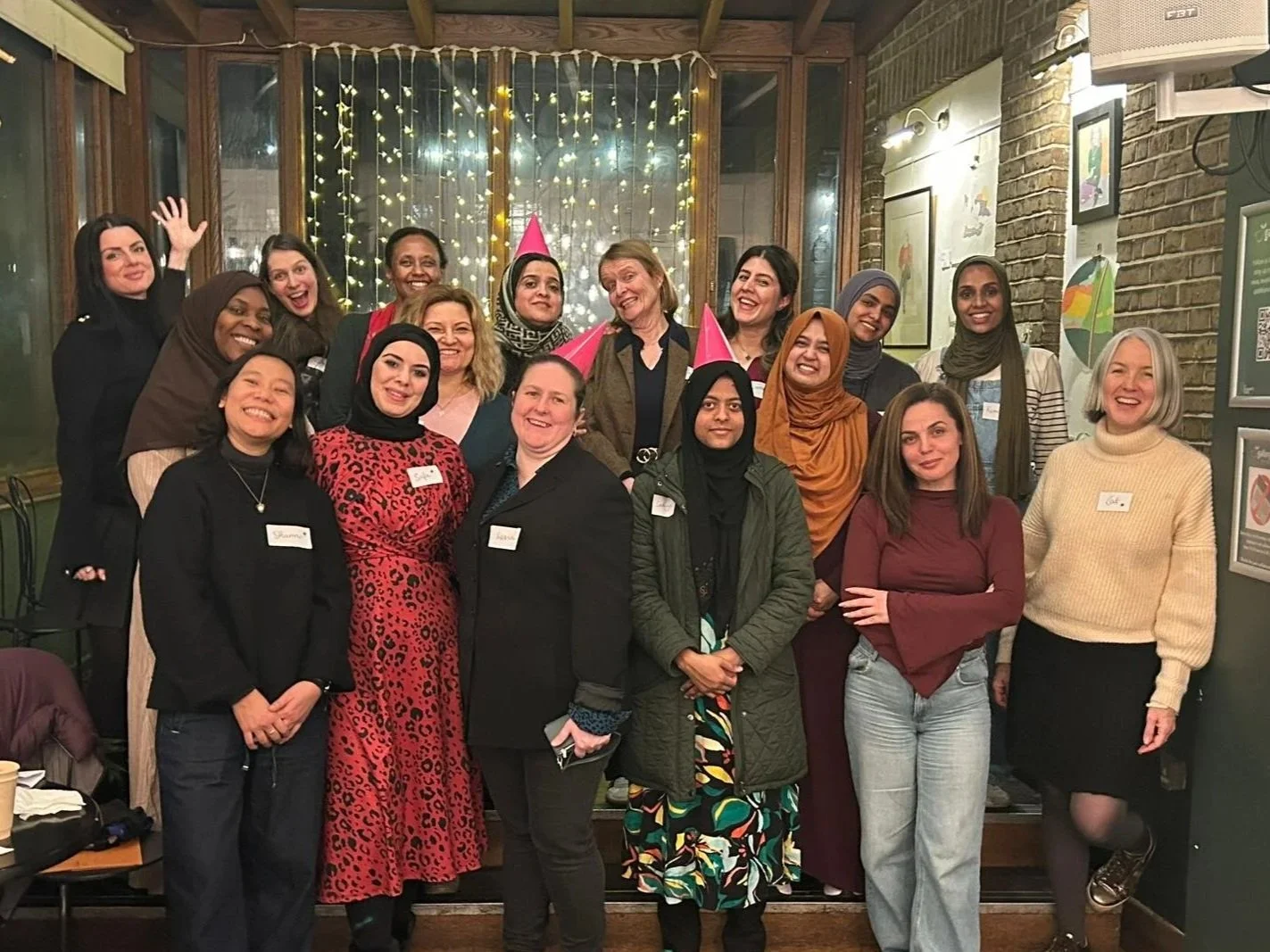
Routes 15th Mentoring cohort mentees and mentors with Routes Mentoring Programme Managers Shunn and Tamana at the end of programme celebration event.
In the first week of February 2026, we came together at St Margaret’s House The Gallery Cafe to celebrate the journeys of our 15th mentoring cohort, who began their mentoring experience with Routes in October 2025. Over four months, mentors and mentees shared time, stories, challenges, and growth. As the programme came to a close after 4 months, Mentoring Programme Manager Tamana Safi reflect on what unfolded, not just in outcomes, but in the many small, meaningful moments that shaped this journey for women from different backgrounds.
As we come to the end of our 15th mentoring programme, we are ending this programme with 15 mentors and mentees, we’re pausing, as we always try to, to notice what really happened, reflect, what we have learned and what are our key take-aways from the programme.
Not outcomes alone, there is a lot that happened and we all have a lot of moments.
Because mentoring doesn’t move in straight lines. It moves in conversations, in pauses, in small shifts that are easy to miss unless you’re paying close attention.
Regeena (alumni mentee) and fellow Mentoring Programme participants at the end of programme celebration event.
Below are fifteen moments from our 15th programme. None of them belong to just one person. They belong, in different ways, to everyone who took part in our 15th cohort.
1. It begins, as it often does, with a two line introduction and three words on personality, held without needing to be fixed or to be changed.
2. A first meeting started with excitement plus nervousness, with names spoken carefully and loudly, with expectations laid down, like a table we agree to share.
3. A story of studying by candlelight, shared slowly, with care and passion.
4. A confidence shaken at a job centre, and slowly rebuilt somewhere safer.
5. A CV is opened, closed, and opened again - revisited and rewritten, until it finally feels like it belongs to the person whose name is at the top.
6. A mock interview turns into laughter. Not because it is easy, but because it is safe.
7. A session where the goal steps back, and listening takes its place.
8. An unexpected email that quietly opens a door of opportunities
9. A first TikTok video was posted, and pride allowed it to land without apology.
10. A strength exercise that changes how someone speaks about themselves and tells their story with pride and autonomy.
11. An in-person meeting that makes everything feel more real.
12. A boundary named, around work, family, time, or energy, and respected.
13. A qualification passed amid childcare, pain, exhaustion, and persistence.
14. A mentor learning alongside, not ahead.
15. A closing moment where someone says, simply:
““I feel closer now.”
“I feel connected now.”
“We’ll stay in touch.”
And someone reads aloud a “Letter to Your Future Self.””
Closer to confidence.
Closer to clarity.
Closer to themselves.
In the words of Tamana this is what Routes 15 Mentoring Programme have taught us: change doesn’t always announce itself loudly. Often, it arrives quietly, through trust, consistency, and being met where you are.
We’re grateful to every mentor and mentee who brought their full selves into these spaces, and to the many moments, seen and unseen, that shaped this journey.
As we close our 15th programme, we carry this with us: progress can be gentle, and still be real.
As we close this chapter, we’re already looking ahead. Each cohort teaches us something new, and we carry those learnings into the next group of mentoring relationships. This is not the final closure, we look forward to welcoming all our 15th graduate pairs in our alumni community and we look forward to the moments that will unfold there, in their own time and in their own way.
Routes 16th Mentoring Programme starts in March 2026. We can't wait to welcome a new cohort onto our Programme and we're hoping to almost double the size of the next cohort. Stay tuned for stories from current and future participants!
Please do reach out to tamana@routescollective.com if you are interested in supporting our Mentoring Programme.
Routes has been organising work experience placements - this is an insight into Mahlet’s experience with an interior design project management company!